


Create a Decluttering Checklist in 5 Simple Steps
Clutter builds up easily. Life gets busy, and things often get pushed aside. Before you know it, what started as a small pile can turn into a bigger mess. Often, you’ll find that some items are old, damaged, expired, or simply no longer needed. You might even come across things you thought were lost - or rediscover items you can use again. It can be surprisingly eye-opening!
The good news is decluttering doesn’t have to feel like a huge job. When you’ve got a checklist that fits your space and routine, it’s much easier to tackle things one step at a time. At Finest Van, we’ve helped many people move, and one thing is always true: clutter makes everything more stressful. That’s why we suggest creating a simple decluttering checklist that works for you, your schedule, and your peace of mind - starting with just five simple steps.
 Last updated: 17 July 2026
 Read time: 9 min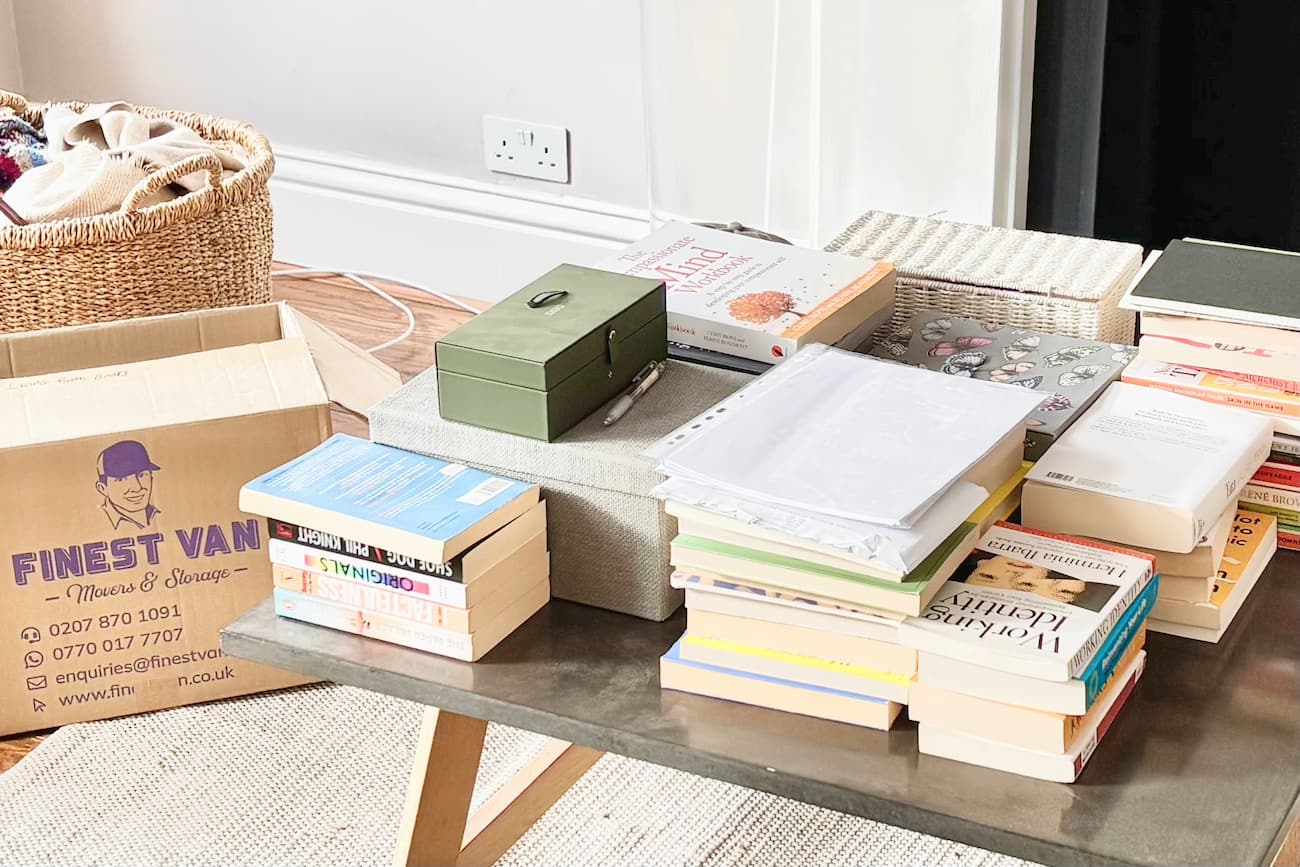
1. Create a Plan
Before you begin rummaging through the cupboards and pulling everything out, take some time to figure out your strategy to tackle the clutter. Would you prefer to declutter room-by-room or sort your belongings by category? Everybody has their own way and preference of doing things so it's best to choose the method that feels most manageable for you.
Room-By-Room
Room-by-room is great if you prefer to focus on clearing one specific space at a time and seeing visible progress in each one. Rooms around the home can typically include:
- Kitchen
- Living Room
- Dining Room
- Bedrooms
- Bathroom
- Office
- Attic
- Utility Room
- Garage
- Garden / Shed
Category-based
This method typically involves decluttering by item type and can be particularly useful if certain types of items tend to accumulate throughout the home, such as clothing, for example. When using this method, gather all items from that category around the house into one place and then purge through. Category-based items can include:
- Books & Papers - Books, magazines, notebooks, old birthday cards, manuals
- Documents - Bills, receipts, junk mail, and subscription cards
- Clothing - Tops, bottoms, shoes, bags and accessories, and seasonal items
- Linen & Towels - Bedding, towels, and blankets
- Electronics - Old phones, chargers, cables, headphones, laptops and small appliance
- Toiletries & Personal Care Items - Make-up, hair products, skincare, first aid items, expired medications
- Kitchenware & Food Storage - Glasses, dishes, utensils, Tupperware, and expired pantry items
- Toys, Games & Crafts - Board games, puzzles, and hobby supplies
- Tools & Cleaning Supplies - Rusty, broken and unwanted tools, sweeping brooms, sprays and sponges
Remember, the key point to take away here is to choose a method that will keep you focused and motivated, and not overwhelm you.
2. Tackle One Area at a Time
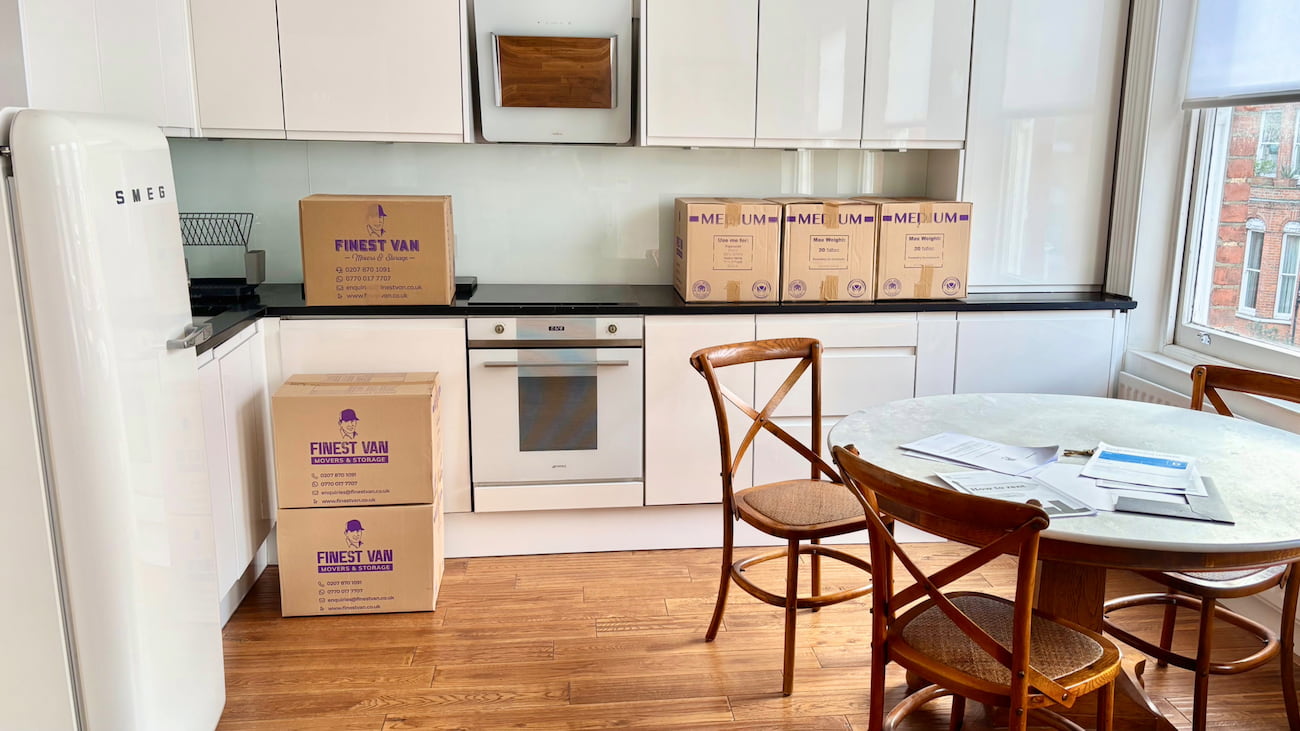
Once you have decided on your game plan, break each room or category into smaller, more manageable sections. For example, if you decide on the room-by-room method and start in the kitchen, you could further split this into:
- Glassware cupboards
- Crockery cupboard
- Cutlery drawer
- Tinned food cupboard
- Food storage cupboard
3. Establish Clear Categories for Sorting
As you purge through your items, group them into categories to help you to decide what stays and what goes. We would suggest the following four category types:
- Keep - If you use, need or love the item.
- Donate or Sell - If the item is no longer of much use to you but is still in good condition, it may still be good to somebody else and you may be able to earn some extra cash. “One man’s trash is another man’s treasure”.
- Recycle - Items such as paper, electronics, plastics.
- Bin - Damaged, expired and unusable items.
One of the toughest choices to make when decluttering is deciding what to keep and what to let go of. Over time, we often develop attachments to our belongings - even the things we haven’t used in months or even years. To help make these decisions easier, here are a couple of simple, but effective, ‘rules’ you can try:
The ‘5-Second Rule’
This quick challenge asks you to pick up an item and decide within five seconds whether to keep it or discard it. Ask yourself: Can I think of a specific use for this? Do I have a designated spot for it in my new home? If the answer is yes, hold on to it. But if you hesitate or draw a blank, it’s probably time to say goodbye.
The ‘3-Month Rule’
If you haven’t used an item in the past three months, chances are you likely don’t need it. This rule helps you focus on what’s truly useful in your day-to-day life. Unless it’s seasonal or sentimental, letting go of things you haven’t touched recently can free up space, and mental clutter.
Here at Finest Van, we offer a comprehensive and reliable disposal service. Simply provide a list of the general items and amount of items to be disposed of, including any large furniture items and we'll be able to provide you with a quote estimate.
4. Create a Realistic Timeline for Each Category
Decluttering your entire home in the space of a weekend sounds great in theory - but in reality, it can be too much. It’s a good idea to set smaller, more realistic goals that work towards achieving the overall bigger goal. Goals such as “Declutter my wardrobe on Saturday morning” or “Go through the office filing cabinet on Sunday morning”, rather than “Declutter the whole house over the weekend”. A small amount every day can make a noticeable difference over time, and allow you to share time and energy on other tasks, such as if you’re planning a house move.
5. Build a Checklist That Fits Around Your Lifestyle
Now you have created a plan and a realistic time-frame for each category, it's time to bring everything together in a way that actually fits your style. Whether you’re into the more traditional pen and paper, a simple notes app, or a spreadsheet, choose whatever method makes it easiest for you to note down your plan to help you stay on track. To sum up, things you’ll want to include on your checklist are:
- List each area or category you want to work on
- Note your sorting categories (e.g., Keep, donate, sell, recycle, bin)
- Add a date or time you plan to tackle each category
- Tick tasks off as you complete them
Thinking about decluttering before your move? It’s actually the perfect time to do it. Check out our guide Why Moving Is The Perfect Time To Declutter for tips on how to make both jobs easier and more rewarding.
Conclusion
With some planning,optimising your space after decluttering doesn’t have to feel like a huge task. With a checklist that’s tailored to you and a pace that feels achievable, you can create a space that’s calmer, cleaner, and easier to live in. Remember, start small, be consistent, and make sure to celebrate those little wins along the way - you’ve got this!
Although this article focuses on decluttering items around the home, the same approach can be easily applied to other settings and spaces- such as the office or a workspace, for example.
If you’re planning a move, Finest Van is here to help - from expert packing tips to smooth, stress-free transport. Drop us a line - our friendly team is just a message away.

