

How to Get a London Parking Suspension When Moving House
A London parking suspension for moving house allows you to reserve parking bays outside your property, ensuring your removal van has guaranteed kerbside access. A suspended parking bay is different from a parking dispensation London, which simply gives permission for a vehicle to wait in a normally restricted area, such as yellow lines, under loading exemption rules.
Understanding how to apply for a London parking suspension helps your move run smoothly, avoid fines, and reduce unnecessary delays.
 Last updated: 13 July 2026
 Read time: 12 min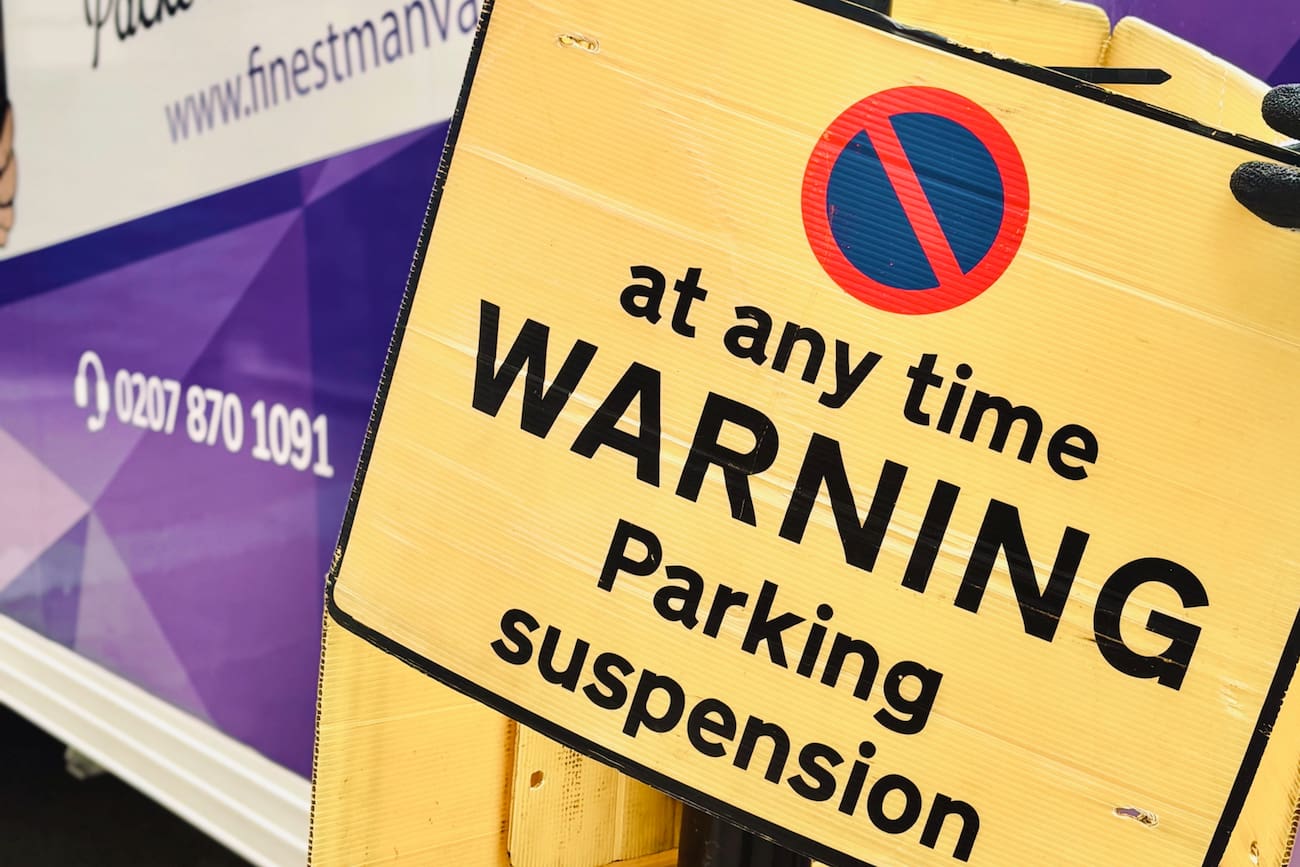
London Parking Suspension for Moving House Cost
The cost of a parking suspension varies across London because each borough sets its own parking bay suspension fees. In most cases, councils charge an admin fee plus a daily rate, and sometimes an additional charge per bay if multiple spaces are required. Some boroughs also apply a surcharge for short notice applications.
Here are a few examples that show the range of London parking suspension costs:
-
Westminster
£51 to £55 per space for day one, with higher rates for additional days depending on the zone. -
Greenwich
£64 per day plus a £64 admin fee, with the council advising early application due to processing times. -
Hackney
£96.50 admin fee plus £42.50 per day, with additional charges for short notice applications.
In general, costs rise when you need additional bays, multiple days, and when you’re moving on a street with premium residents’ bays. Some boroughs offer limited relief. For example, there’s a first-day waiver on the space charge for movers in Camden, although the admin fee still applies. Always check local rules and allow for extras if you need long-term control of the bays.
Suspension vs Dispensation vs Trade Permit: What’s the Difference?
A parking suspension vs dispensation comparison matters because each option serves a different purpose when moving house in London.
| Option | What it does | Best used when |
|---|---|---|
| Suspension | Reserves one or more marked bays, such as residents’ bays or pay-by-phone bays, for your moving van. The council installs signage in advance to make the restriction enforceable. | You need guaranteed kerbside parking directly outside the property. |
| Dispensation | Allows a specific vehicle to wait in normally restricted areas, such as yellow lines, during a move. It does not reserve a full bay. | There are no suitable marked bays, or access requires stopping closer to the property. |
| Trade permit | Provides operational parking for contractors or movers over a longer period. It does not replace a suspension. | You need extended access for multi-day work or repeated visits. |
For red route dispensations, moving house rules are different. These roads are managed by TfL rather than local councils, so always check TfL guidance before planning your move.

How to Apply Step-by-Step (Works in Any London Borough)
When applying for a parking suspension in London, residents follow a similar process across boroughs, even though each council sets its own rules. Are you unsure where to start? This step-by-step guide shows how to apply for a parking suspension when moving house in London.
-
Check the address and bay type
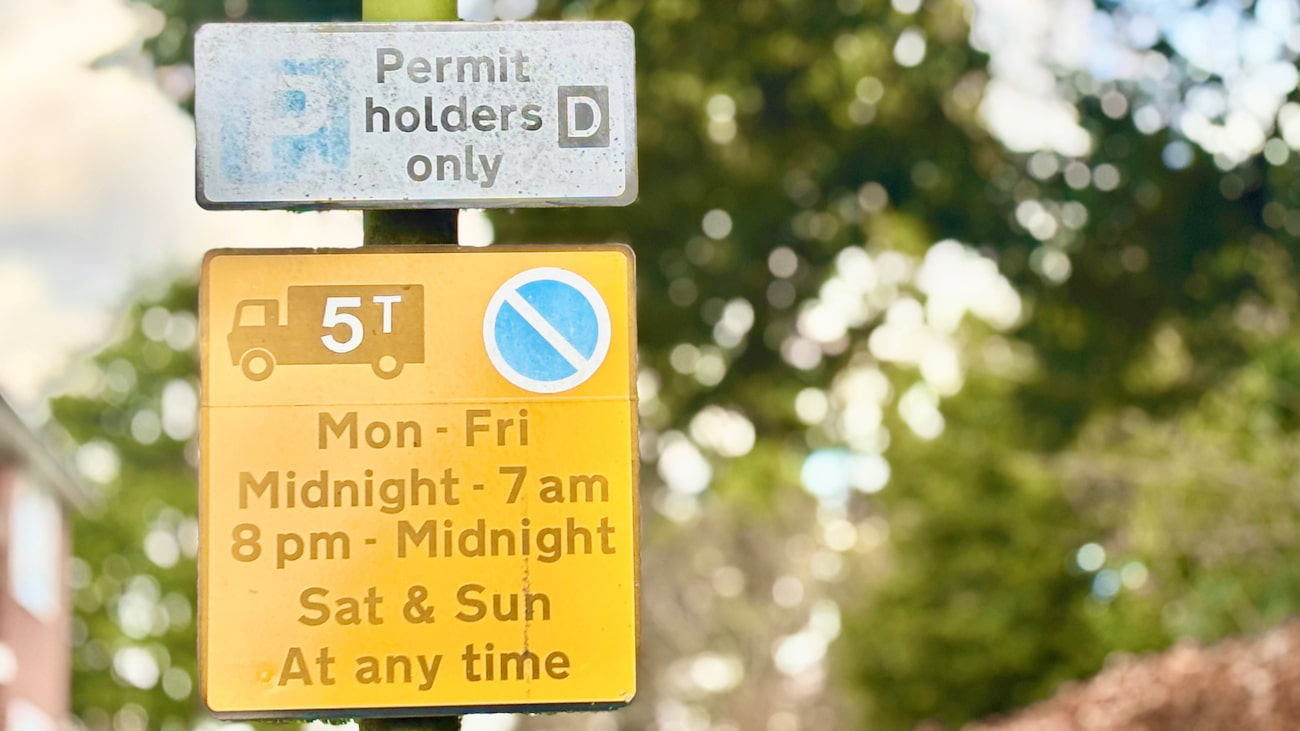
Identify whether the space outside your property is a resident bay, pay by phone bay, shared use space, or a red route. Red routes require approval from TfL rather than the local council. -
Choose the dates and duration
Plan your suspension around loading times, lift access, stair routes, and key collection schedules. -
Select the number of parking bays
Decide how many bays you need. Most moves require one to three bays for a Luton van, depending on access and distance from the entrance. -
Apply for the parking suspension online
Most boroughs provide an online form. Councils usually require seven to fourteen working days notice, so applying early helps avoid additional charges. -
Provide vehicle details
Submit your vehicle registration, van size, and reason for the suspension. Some councils may also request proof of address or a booking confirmation. -
Pay the required fees
This typically includes an admin fee and a daily charge per bay, depending on the borough and duration. -
Confirm signage is in place
Councils normally install suspension signs several days before the start date. Check that signage is visible and correct before moving day. -
Keep your evidence ready
Keep confirmation emails, permits, and photos of signage available in case enforcement checks are required.
By following these parking suspension application steps, you guarantee legal compliance and avoid disputes. The latter is particularly important in busy London streets.
💡 Finest Tips:
- Apply earlier than the minimum notice period whenever possible to avoid short-notice charges.
- Check the bay type before applying, as resident bays, shared-use bays, and red routes follow different rules.
- Save your confirmation emails, approval details, and photos of the signage in case you need evidence on moving day.
Borough Quirks & Useful Examples (Quick Reference)
London boroughs apply parking suspension rules differently. These quick examples help you anticipate typical fees, notice periods, and local requirements when arranging a parking suspension for moving house.
-
Westminster
Uses tiered daily rates based on zone, with longer suspensions increasing in cost over time. -
Camden
Waives the first day’s space charge for moving home requests, although the admin fee still applies. -
Hackney
Charges an admin fee plus a per-bay, per-day rate, with additional costs for short notice applications. -
Greenwich
£64 per day plus a £64 admin fee. The council recommends applying at least ten working days in advance. -
Wandsworth
Requires seven clear working days notice. Example pricing is £59.40 per five metre bay per day.
Whether it is the London council parking suspension rules or borough fees, you should always check individual council websites for more information. Rules change frequently, so always seek up-to-date information.
Timing & Lead Times – When to Book Your Suspension
When deciding on when to book suspensions, the safest approach is to do this 4-6 weeks before your move. There are various reasons why. As well as giving you time to confirm your move date, you can lock in your removal crew and submit the application without stress. For parking suspension lead time, London boroughs usually need 7-14 working days to install signage and process the request.
If you apply inside this window, expect short-notice fees. Councils prioritise early applications, especially during peak periods like end-of-month Fridays. Miss the signage timeline deadline, and that means the suspension might not be enforceable.
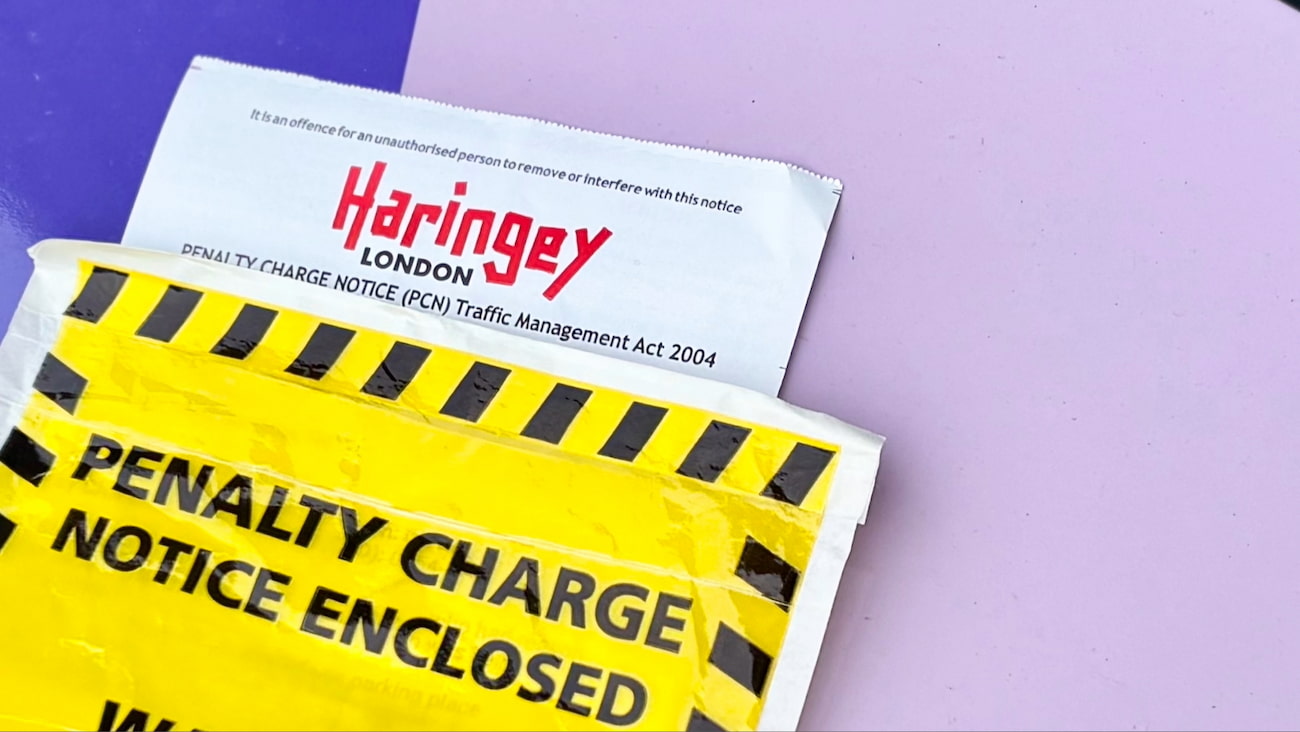
Because PCN risk in London is high, never rely on winging it or using informal cones. Without official signage, enforcement teams will treat your movers like any other vehicle.
Avoiding Fines and Failed Suspensions on Moving Day
To avoid parking fines when moving house in London, make sure your parking suspension is active, visible, and enforceable. A few simple checks can prevent delays, penalties, and unnecessary stress on moving day.
-
Check signage in advance
Inspect suspension signs two to three days before your move. Photograph the signage, including dates and bay numbers, as proof in case of disputes. -
Bring proof on the day
Keep your suspension approval confirmation available. Some boroughs require printed or digital evidence if enforcement officers request it. -
Arrive early and secure the space
Have your van ready at the start time. If another vehicle is occupying the bay, your evidence helps enforcement teams resolve the issue. -
Use markers if permitted
Where allowed, place cones or markers to clearly indicate your reserved space and discourage other vehicles from parking there. -
Plan for unexpected disruptions
Be aware of roadworks, delivery vehicles, or red route restrictions. In some cases, a separate dispensation from TFL may be required for legal loading access.
Do I Need 1 Bay or 2 to 3? (Van Sizes & Access Reality)
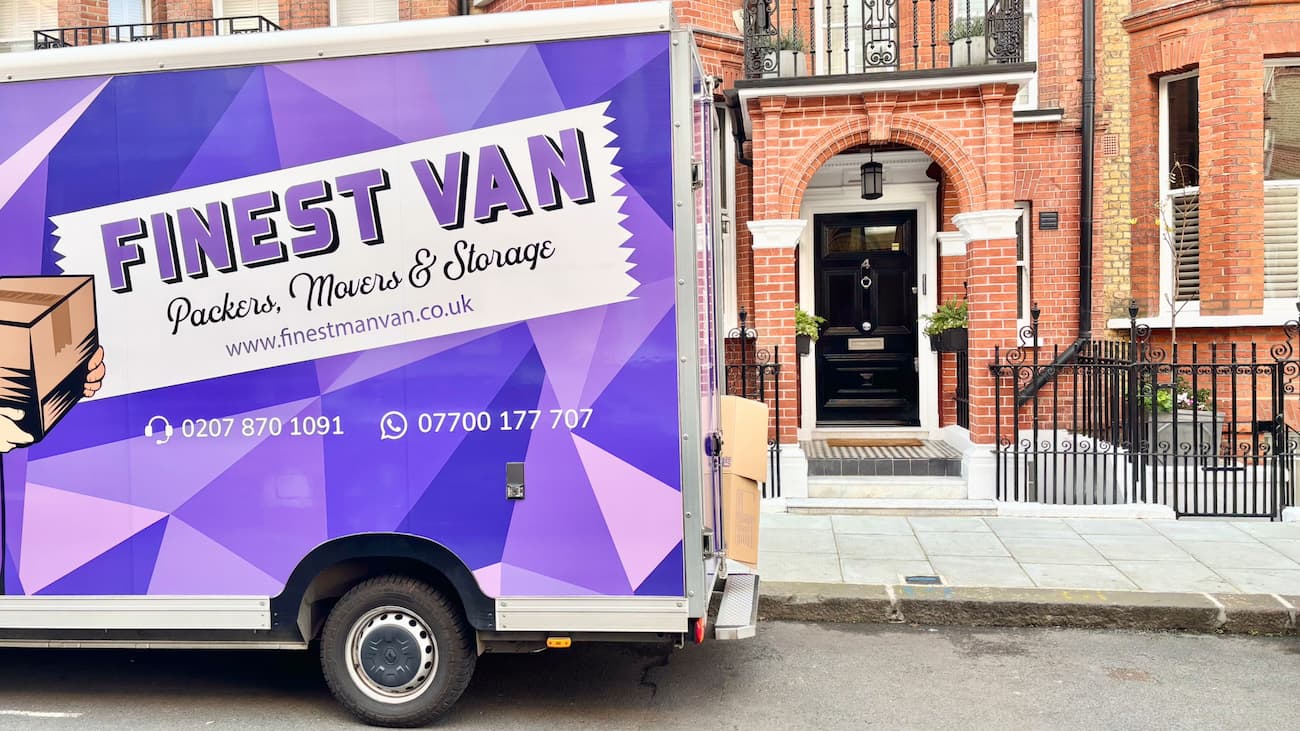
Are you wondering how many bays for a moving van? Most marked bays are roughly 5m long. With this parking bay length, London movers will typically require 2 to 3 5m bays. This is because a typical Luton van space requirement needs multiple bays to align with the entrance, avoid blocking traffic, and keep loading distances short.
Do you have long internal corridors? Are you moving from a flat with no lift? Are you dealing with a lot of stair moves? If you answered “Yes” to any of these questions, having the van directly outside reduces fatigue and carry time.
Your removal company can advise. However, always request enough space to safely load, manoeuvre, and access the rear doors without squeezing into traffic.
North London Moving Experts: How Finest Van Helps (Advice We Actually Offer)
As local specialists in North London removals, we guide customers through the practical side of arranging their own suspensions. We advise how many bays you’re likely to need and what notice window makes sense, as well as how your schedule aligns with council timelines. While we don’t apply on your behalf, the resident must submit the request, we help you plan the day around approval and signage.
As professional movers, North London residents don’t simply receive advice from us. Our crews provide packing services, safe dismantling and reassembly support, and efficient loading for homes and offices. If needed, we can also arrange storage solutions through trusted London facilities.
Because we handle so many office, house, and flat removals with tricky access, we understand how to position your van safely and reduce unnecessary walking distance. Learn more here: North London moving experts.
Related Reading & Next Steps
- Moving into a walk-up? Read our guide on moving into a flat without a lift .
- Planning your timing? See our breakdown of average move times in North London .
- Need help planning your move? For advice on bay quantities and how to get a London parking suspension when moving house, contact Finest Van for a personalised quote and time estimate.
