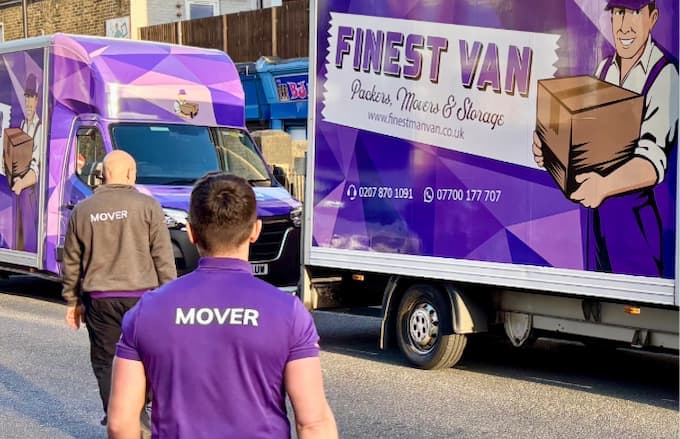
The Ultimate Guide to Removal Van Sizes
When planning a move, knowing removal van sizes is beneficial for a faster, more cost-effective relocation.
This guide gives you a clear breakdown of the main van classes used across the UK: small vans, MWB, LWB/XLWB, 3.5-tonne Luton van size, and 7.5t larger vehicles. You’ll also find a simple van size selector, indicative dimensions and payload ranges, “what fits” examples, access and parking guidance for moves, and a quick overview of insurance essentials.
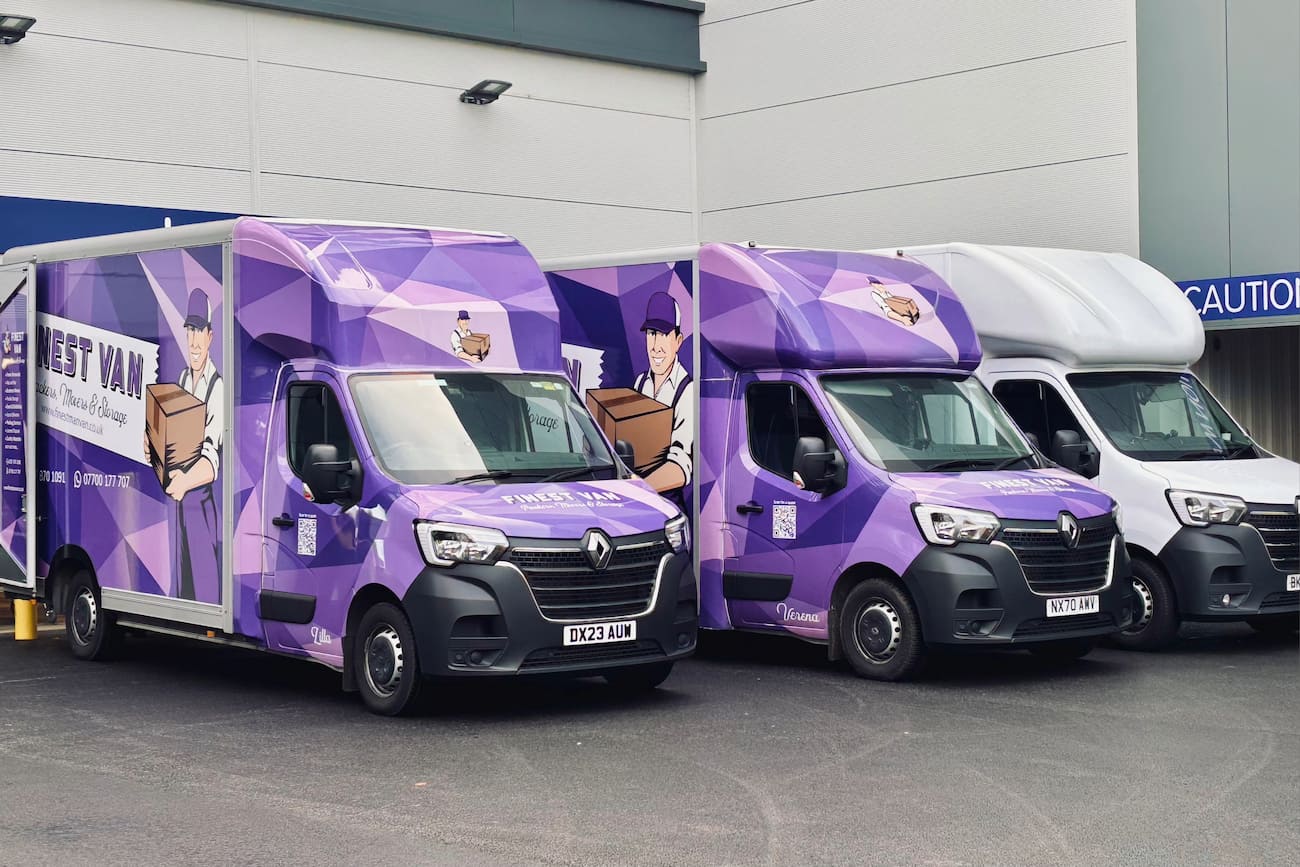
When it comes to van sizes, UK options differ widely between models. Not sure which choice is best? Pondering MWB vs LWB? Our expert tips stop you from over- or undersizing, giving you the best chance of a smooth local or nationwide move.
Small Removal Van Sizes
Small removal van sizes are ideal for light and partial moves. Think studio flats, small one-bed essentials, student relocations, and transporting boxes/small pieces of furniture.
These compact vehicles, like the Citroën Berlingo and Ford Transit Connect, offer excellent urban access. They’re also easy to park on narrow London streets where restrictions are tight. While exact small van dimensions vary, you can expect a modest internal load space suitable for 20-30 boxes & small furniture.
The payload is usually limited, but that can be an advantage in multiple ways. Along with fewer access issues and easier loading, it results in lower hire costs. For many small removals, UK residents find these vans as the most cost-efficient choice, especially when avoiding oversized vehicles that slow the process.

Van Size Terminology Explained (L1-L4, H1-H3, Wheelbase & Payload)
Before selecting a vehicle, understanding common van size terminology helps you compare models accurately. Here’s a quick breakdown:
- L1, L2, L3, L4: Meaning codes for the internal load length. L1 for compact vans through to L4 for extra-long wheelbase models.
- H1, H2, H3: Van height codes reflect internal roof clearance. H2 and H3 allow for easier loading of tall furniture.
- SWB, MWB, LWB, XLWB: The wheelbase explained determines stability, turning circle, and usable floor length. Key for measuring items like wardrobes and sofas.
- Payload: The total weight you can legally carry when transporting possessions.
- GVW: Gross vehicle weight, separate from the payload, includes the van itself.
Knowing how internal load length/height and payload interact allows you to avoid overloading while offering the best chance of choosing the right van the first time. These principles underpin all dimensions tables (indicative) you’ll see in the UK removals world.
Medium Wheelbase (MWB) Removal Vans
A MWB van size is one of the most versatile options for UK household moves. These mid-range vans can comfortably handle standard 1-2 bed flats with normal furnishings. Think mattresses, sofas, chests of drawers, boxed belongings, and small appliances.
Medium wheelbase van dimensions give a generous internal load length and workable roof height, all without the bulk of larger models. Popular options, such as the Transit/Sprinter MWB, balance volume capacity (approx.) with excellent manoeuvrability. Door and door aperture widths also make loading easier. The result: they’re ideal for both tighter residential roads and estate/flat moves.
The overall MWB removal van capacity suits most everyday moves where you desire maximum flexibility without stepping up to long wheelbase vans.
Long & Extra-Long Wheelbase (LWB/XLWB) Vans
An LWB van size is suitable for bulkier and longer loads. This makes it perfect for 2-3 bed homes with full furniture sets.
These vans accommodate long items such as sofas, beds, and larger wardrobes. They benefit from extended internal lengths (L3/L4) and generous high roof (H2/H3) height options. When comparing XLWB vs LWB, the extra length assists in avoiding multiple trips for high-volume homes. Just keep in mind it requires more space for parking and a wider turning circle.
Typical long wheelbase van dimensions allow the use of loading ramps and more efficient stacking of items. Does your inventory include large, heavy, and awkward pieces. This removal van size is the ideal middle ground before moving up to a box-body vehicle.
3.5-Tonne Luton Box Vans (With Tail-Lift)
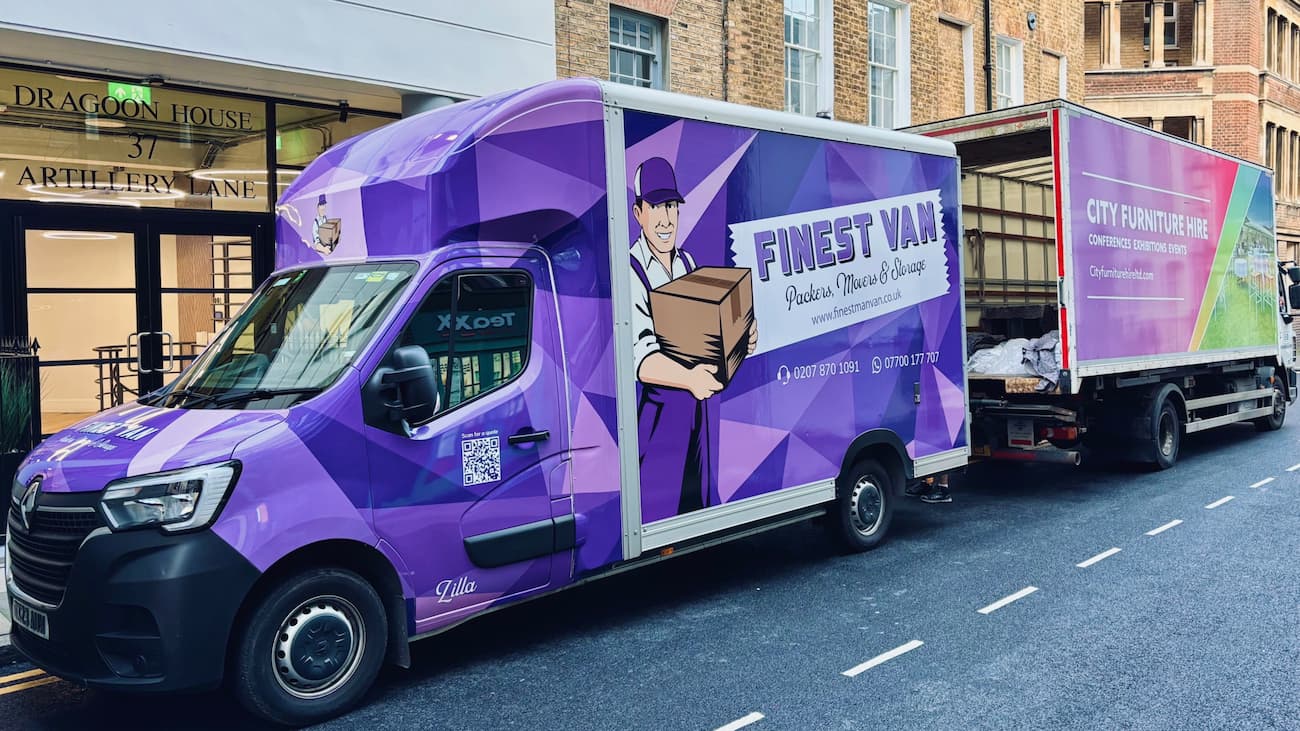
The 3.5-tonne Luton van size is the UK removals workhorse. With a box-body design, alongside a square load and area and built-in tail-lift, these vans offer exceptional capacity for 2-3 bed house moves. They’re also suitable for neatly packed larger properties.
The cube-shaped load area and over-cab Luton storage give highly usable volume without relying solely on floor length. While Luton box van dimensions vary across models, they typically accommodate beds, wardrobes, white goods, and larger furniture. This is provided that items fall within payload limits.
These vans significantly speed up moves involving heavy appliances and stacked items, making tail-lift removals safer and more efficient. As always, actual capacity depends on your inventory and careful packing.
7.5-Tonne Vans and Lorries. When They’re Used
A 7.5-tonne removals van (or lorry) is sometimes necessary for larger homes and bulky furniture sets. Naturally, these vehicles supply substantial payload headroom and minimise repeat journeys. However, they’re not typically utilised in tight residential areas due to access and parking constraints.
A C1 licence is required to drive them in the UK, which is why only professional operators allocate 7.5t units when appropriate. Finest Van doesn’t operate these vehicles directly. However, when you want to make fewer trips, the 7.5t-tonne box lorry or similar large removal vehicle UK options might be the recommended choice during a coordinated move.
Van Size Selector. Quick Score Tool
Answer a few quick questions below. This tool gives an indicative recommendation based on typical UK moves.
3. Large or bulky items
4. Access challenges
Disclaimer. This tool is indicative only. Vehicle dimensions, payload, packing method, and access conditions vary by model.
Score to van class
How it calculates. Property size score + box score + ticked items and access challenges (each adds 1).
Van Size Comparison Table
Use this comparison to sanity-check your choice. Actual capacity varies by model, roof height, trim, and packing style.
| Van type | Best for | Typical capacity cues | Access notes |
|---|---|---|---|
| Small van | Student moves, partial moves, box runs | 15-20 boxes + small appliances | Easiest to park and manoeuvre |
| MWB van | Studio, 1 Bed flat | Mattress + compact sofa + drawers + boxes | Good balance of capacity and access |
| LWB / XLWB | 1-2 bed homes, bulky items | Multiple beds, tall wardrobes, higher box count | Needs more space for parking and turning |
| 3.5t Luton / Multiple Vans | 2-3 bed moves, heavy/stacked loads | Box-body loading, wardrobes, white goods, sofas | Best for one-trip strategies when possible |
Indicative Dimensions and Payload Ranges
These figures vary by manufacturer and trim. Always confirm the exact van model if you need precise measurements or weight limits.
| Van class | Typical internal load length (m) | Typical internal width (m) | Typical internal height (m) | Typical payload range (kg) |
|---|---|---|---|---|
| Small (compact van) | 1.5 to 1.8 | 1.2 to 1.5 | 1.2 to 1.4 | 500 to 800 |
| MWB (medium wheelbase) | 2.6 to 3.0 | 1.7 to 1.8 | 1.4 to 1.9 | 900 to 1,400 |
| LWB or XLWB (long wheelbase) | 3.3 to 4.1 | 1.7 to 1.8 | 1.7 to 2.1 | 900 to 1,500 |
| 3.5t Luton (box van, often with tail-lift) | 3.6 to 4.2 | 2.0 to 2.1 | 2.0 to 2.3 | 800 to 1,200 |
Disclaimer. Dimensions and payload ranges are indicative and vary by model, wheelbase, roof height, tail-lift weight, and specification. Always verify the exact vehicle and stay within legal weight limits.
What Size Removal Van Do I Need?
Choosing the right vehicle starts with your inventory, not simply your bedroom count. While the latter can be a general guide, it’s not the deciding factor.
- Studio/1-bed: For modest spaces or when you’re moving essentials only, a MWB or LWB van might suffice.
- 2-bed home: Possessions usually fit into Luton vehicles. This depends largely on the quantity of furniture.
- 3-bed home: Multiple Luton vans generally offer the best balance of van size for a house move.
- 4+ bed/heavy volumes: May require multiple vehicles or professional allocation of 7.5t trucks.
To accurately choose removal van size, always consider the following aspects: inventory list, available cubic metres, likelihood of multiple trips vs one load, and any stair/door access limitations.
Typical Items That Fit in Each Van Size
The examples below are designed to help you visualise the scale of items each van size is typically suited to. They are not intended as a full load checklist. Actual capacity varies depending on furniture dimensions, how items are dismantled, packing efficiency, and weight distribution.
Small vans
- 20-30 boxes
- Small appliances
- Side tables, chairs
- Mattress sizes up to single
- Small sofas (two-seater compact)
MWB vans
- Large double mattress
- 2-3 seater sofas
- Chest of drawers
- Desks and medium-sized wardrobes
LWB/XLWB vans
- Tall wardrobes
- Larger appliances
- Long sofas
- Multiple beds
- Bulky boxed items and full home contents
Luton vans
- Full set of wardrobes
- Beds, frames, mattresses
- White goods (American-style refrigerators)
- Large sofas, tables, bulky furniture
Weight Limits, Payload & Insurance. Stay Legal and Protected
With van payload limits, UK movers must stay within legal boundaries. Payload is the maximum weight your load can safely reach before breaching legal payload and overloading risks thresholds. Overloading can result in fines and delays. It can also negatively impact braking distance, stability, and overall safety standards.
In addition to payload awareness, it’s vital to understand insurance types. Professional movers typically possess goods in transit insurance, hire and reward insurance, and liability cover. For customers wanting to protect their belongings during transit, refer to our guide on removals insurance options. It’s always wise to check policy limits, exclusions/deductibles, and what is or isn’t covered for high-value items.
Access, Parking & Loading Equipment (Saving Time & Money)
Access can significantly influence the chosen removal van size and time required for your move. Suitability can be affected by the following removal van access challenges:
- Narrow streets
- Tight corners
- Long walks from the loading point
- Buildings without lift access
For instance, when parking for removals, London moves often require parking suspensions or kerbside permits. Especially for larger vans.
Professional teams use tools like dollies, blankets, straps, and tail-lift equipment to speed up loading. Recognising loading equipment removals considerations helps prevent delays, while planning for stair carries and realistic time estimates ensures smoother moves.
Ultimately, correct van sizing becomes easier when access factors are known upfront.
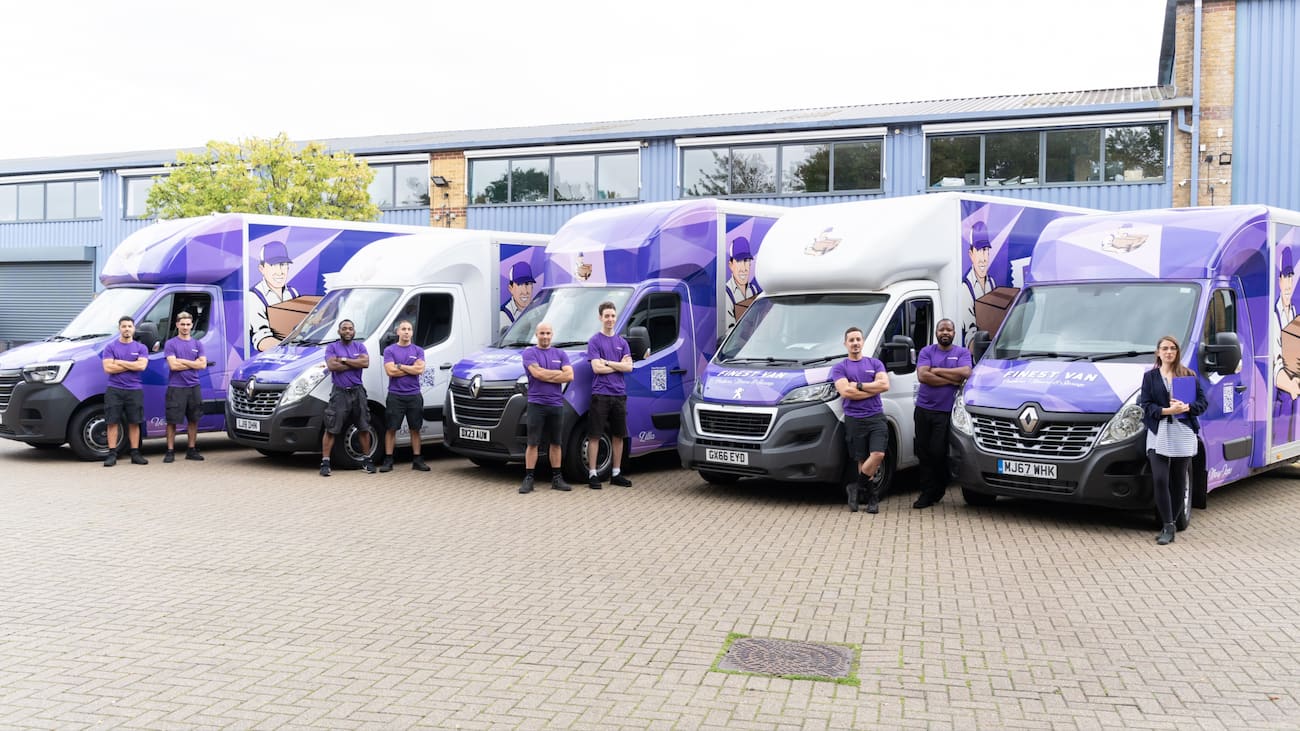
National Moving Services. How Van Size Planning Works for Long-Distance Moves
For national moving services, UK residents rely on three key aspects: good route planning, capacity planning, and efficient loading.
During a cross-country transfer, movers must consider various points. Along with traffic rules and overnight restrictions, they must see if a one-trip strategy is feasible. Some moves benefit from using a single larger van. Others rely on multiple coordinated vehicles for cost efficiency.
Finest Van offers full support through our national moving services, guaranteeing your inventory and access needs are matched to the right removal van size every time. For UK house removals, this approach simplifies long-distance removals van size decisions for customers moving across the country.
How to get an accurate quote (and avoid over or undersizing)
Supplying accurate information for your move is imperative. In doing so, it secures removal quote accuracy and prevents incorrect vehicle allocation.
There are various steps you can take to improve the process. Start with sharing a detailed inventory checklist. You can support this with photos and even a video survey. Specifically highlight oversized and fragile items, while you should also provide access notes and potential parking constraints.
When you’re able to offer date flexibility, scheduling becomes easier and more cost-effective. Your van size quote will also be more accurate depending on the amount of detail provided. Don’t keep anything hidden. Always include heavy, awkward, and unusually shaped items in your inventory for removals to avoid last-minute changes.
Ready to choose the right van size?
Want to choose a van size confidently. Our expert team is here to support you. We offer nationwide reach alongside clear communication from start to finish. Request your UK removals quote at any time for an instant quote. You can also get in touch for friendly guidance and no-obligation support.
It doesn’t matter if it's a local London move or a long-distance one. Our expert planning and UK coverage mean you always get the right removal van size at the right price. No guesswork necessary. Simply get in touch to book a removals quote assistance today.
Get a Free Quote