Planning a move and need storage too? Whether you are moving home or office, downsizing, renovating or waiting for a new property to be ready, arranging removals and storage together can make the process easier to manage. It also gives you a clearer way to separate what needs to move now from what can be stored until later.
Finest Van can coordinate short-term or long-term storage in London alongside packing, collection, transport and delivery when you need your belongings back. In this guide we break the process down into seven practical steps.
Last updated: 28 September 2026/Read time: 8 min
Removals and Storage at a Glance:
Select a step to jump straight to that section.
1. Declutter Before You Store
Storage is most useful when it gives you breathing room, not when it becomes a holding place for things you already know you no longer need. Before the boxes start filling up, take a proper look at what you are considering putting into storage.
Start with the obvious space-takers: furniture that will not fit or suit the new property, duplicate household items, damaged belongings and anything you have not used for a long time. Sell or donate items that still have plenty of life left, recycle where possible and dispose of anything that is beyond use. For a more detailed clear-out, see our guide on why moving is the perfect time to declutter.
Every item removed at this stage is one less thing to pack, carry and pay to store. A smaller load may also mean fewer boxes and less storage space, making the rest of the move easier to plan. The next decision is where the belongings you are keeping actually need to go.
2. Decide What Goes Into Storage
Once you have decided what is worth keeping, sort the remaining belongings by destination. It is easier to make those decisions now than discover later that something useful has disappeared into storage.
Keep with you: Everyday essentials and anything you will need during the move.
Temporary accommodation: Clothing, toiletries, work equipment and other belongings you will need while staying elsewhere.
Family or friends: Items that can be kept safely elsewhere for the time being.
Storage: Belongings you want to keep but are unlikely to need until later.
Once you know what is actually going into storage, the next question is how much room it will take up. You do not need to calculate the exact square footage yourself. A clear inventory gives the removals company a much better starting point for estimating the space required.
Include details such as:
The approximate number and size of your boxes.
The main pieces of furniture going into storage.
Bulky or awkward items, such as gym equipment.
Furniture that can be dismantled before collection.
The aim is to give an accurate picture of the load rather than guess a unit size. That makes it easier to recommend a suitable amount of storage space and reduces the chance of needing more room than expected.
4. Get a Quote for Removals and Storage
By this point, you should have a clearer picture of what is moving, what is going into storage and roughly how much space may be needed. That gives the removals company enough information to start putting together an accurate quote.
Alongside your inventory, provide details such as:
Access and parking at each property.
The collection and delivery addresses.
How long you expect to need storage.
When you are likely to need your stored belongings back.
Any additional services required, such as packing, dismantling and reassembly or waste removal.
These details help determine the vehicle, moving team and storage requirements for the job, while giving you a clearer view of the overall cost before moving day.
Finest Van can coordinate the removal and storage as part of the same plan, including any agreed waste disposal, so the different stages of the move can be organised together.
£
Quote Review
Before Accepting Your Removals and Storage Quote
Review the terms carefully and make sure the following points are clear.
1
Storage Terms
Confirm the billing period, minimum term and notice required to extend or end the storage arrangement.
2
Included Services
Check exactly which services are included in the quoted price, including collection, storage and redelivery.
3
Access Arrangements
Find out whether individual items can be retrieved during storage, how much notice is required and whether access charges apply.
4
Protection and Cover
Ask what protection applies during handling, transport and storage, including any limits or exclusions.
5
Changes and Additional Charges
Confirm what could change the quoted price, such as extending the storage period, changing the redelivery date or requesting access.
💡Finest Tip:
5. Consider Professional Packing for Storage
Belongings going into storage may stay boxed or wrapped for much longer than items moving straight into a new property, so the way they are protected matters. Boxes need to stack securely, furniture should be covered appropriately and fragile items need enough protection to cope with handling, transport and time in storage.
At Finest Van, we can also provide a professional packing service as part of our removals and storage services. We can prepare your furniture, fragile items and other belongings with suitable protection before collection and storage.
Before the moving team arrives, make it clear which belongings are going into storage and which are heading to your new address. Where practical, keep the two groups separate, make sure boxes are securely closed and check that every label is easy to read.
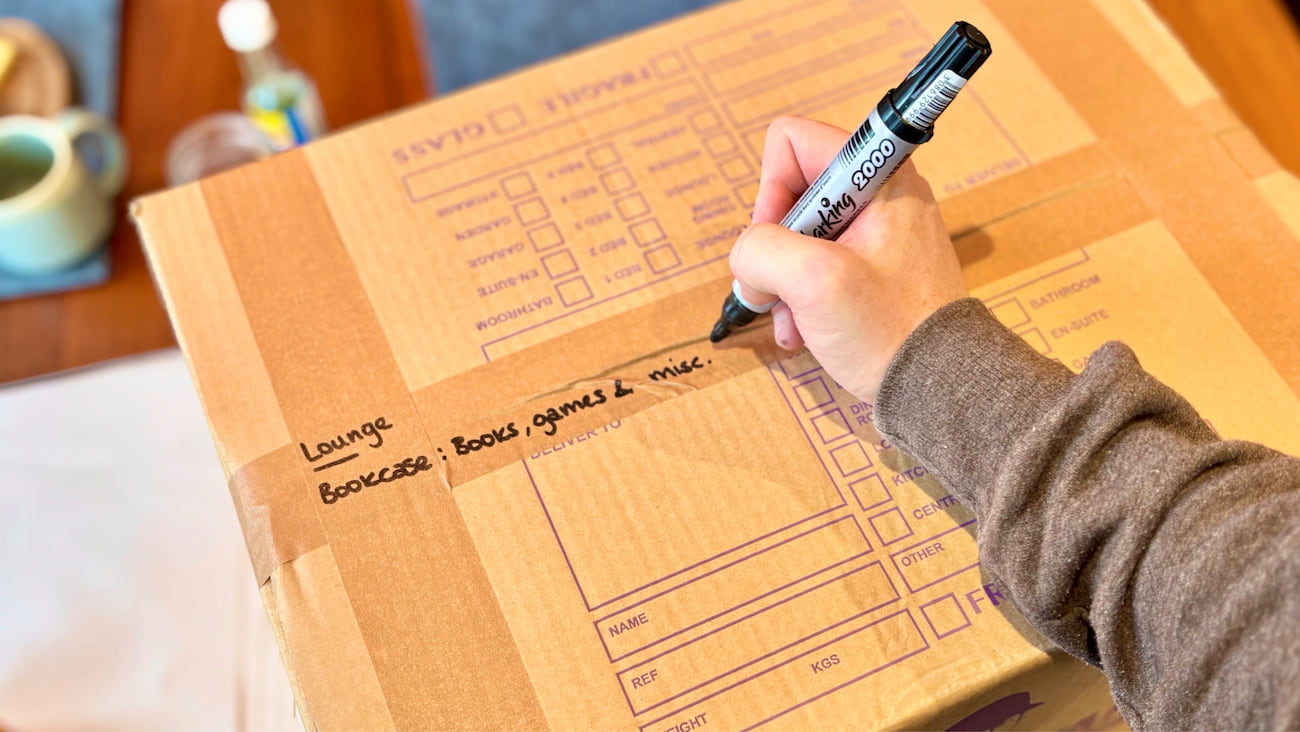
Labelling: Put the destination first, followed by the room and a brief description of the contents. For example, Storage | Kitchen | Glassware. Using the same format across your boxes helps the moving team place everything correctly and makes individual boxes easier to identify later.
Furniture: If you are comfortable dismantling furniture yourself, you can do this in advance and keep the screws and fixings together in a clearly labelled bag. If you would prefer Finest Van to handle the dismantling and reassembly, make sure this has been included when arranging your move.
Most everyday household and office belongings can be stored without a problem, but some items are restricted or prohibited for safety, legal or hygiene reasons. It is worth checking these before everything is packed, rather than discovering on moving day that something cannot be accepted.
Prohibited and Restricted Storage Items
Category
Examples
Typical Status
Hazardous or flammable items
Petrol, gas cylinders, fireworks, solvents and hazardous chemicals
Prohibited
Perishable food and living things
Fresh or frozen food, plants and animals
Prohibited
Weapons or illegal goods
Firearms, stolen goods and counterfeit items
Prohibited
High-value belongings
Cash, jewellery, deeds and irreplaceable valuables
Restricted or prohibited
Lithium batteries and powered items
Power banks, standalone lithium batteries, e-bikes and e-scooters
Generally not accepted by Finest Van
Do not pack prohibited items for storage. If Finest Van is arranging your storage and you are unsure about a particular item, let us know before moving day so we can confirm whether it can be accepted.
From Collection to Redelivery
Once collection day arrives, the move shifts from planning to execution. The exact process will depend on the facility and service booked, but the responsibilities at each stage should remain clear from collection through to the return delivery.
01
Collection and Handover
At collection, the agreed inventory can be used to confirm which belongings are entering storage. The moving team can then apply any agreed protection, load the items for transport and complete the handover in line with the storage facility’s intake process.
02
During the Storage Period
Keep a copy of your inventory and booking terms while your belongings are stored. If the expected storage period, return address or your contact details change, update the removals company promptly so any effect on the schedule or cost can be explained in advance.
03
Return Delivery
Before the return journey, confirm the delivery address, access conditions and preferred date. When your belongings arrive, use the inventory to check that everything has been returned before directing boxes and furniture to the rooms or areas where they are needed.
Planning Your Move and Storage
When storage is arranged alongside the move, it becomes much easier to separate what is heading straight to the new address from what can be stored until later. Knowing when those stored belongings will be needed again also gives the moving team a clearer picture of how the job needs to be organised.
A clear inventory, suitable packing and agreed collection and return arrangements all help keep the different stages of the move coordinated. For a broader look at where storage can be useful beyond moving day, see our guide to the 7 benefits of using self storage in London.
For home or office moves in London, Finest Van can coordinate packing, removals and storage around the same schedule. Our storage services in London can be arranged for a temporary gap between properties or for longer periods during a renovation or downsizing, depending on what needs moving and when you need it back.
Removals and Storage FAQs
1. Can a Removal Company Store My Belongings Between Moving Dates?
Yes. Where a combined service is available, the removal company can collect your belongings, transport them into arranged storage and return them when your new property is ready. Confirm that collection, storage and redelivery are all included in the quote.
2. Can I Access My Belongings While They Are in Storage?
Access arrangements depend on the facility and type of storage being used. Some facilities allow customers to visit their unit, while managed storage may require belongings to be retrieved in advance. Mention anything you may need before collection and ask how access works.
3. How Much Notice Is Needed Before Redelivery?
The notice period varies between providers and storage arrangements. If you already know your preferred return date, agree it when booking. Otherwise, confirm how much notice is required and whether changing the date could result in an additional charge.
4. Are My Belongings Covered While Being Moved and Stored?
Protection arrangements, limits and exclusions can differ during handling, transport and storage. Ask what cover applies at each stage, confirm the details in writing and mention any particularly valuable or specialist items before moving day.