

When Does It Make Sense to Use Temporary Storage During a Business Move?
 Last updated: 13 July 2026
 Read time: 19 min
When Storage Helps
Knowing when to use temporary storage during a business move can save a lot of pressure later on. It is most useful when the move is not happening in one clean step, or when your new workspace is not quite ready for everything to arrive at once.
When temporary storage can help:
- Staggered lease dates: If your old lease ends before the new office is ready, storage can bridge the gap without forcing a rushed move.
- The new workspace is still being fitted out - During a phased move or fit-out overlap, storage keeps furniture, crates and spare equipment away from contractors and work areas.
- You are downsizing or rightsizing - Not every desk, chair or cabinet may be needed straight away. Storage gives you time to make the right call.
- Surplus furniture is waiting to be sold or donated - Instead of filling meeting rooms with spare chairs and desks, you can keep them safely stored until a decision is made.
- Archive files need sorting - A decant into storage can give your team time to review documents properly against your retention policy.
- Landlord dilapidations are taking place - Clearing the space properly can help end-of-lease works happen more safely and with fewer delays.
- AV or IT equipment has arrived early - If equipment arrives before the new office is ready, arranged storage can keep it protected until it is ready for installation.
- Your business is merging, expanding or restructuring - During mergers and acquisitions, storage can act as useful swing space while teams, layouts and assets are being reorganised.
In summary, storage buys time and floor space which can make a big difference when you are trying to keep staff productive while everything is changing around them.
Benefits of Using Storage in an Office Move
The benefits of business storage go beyond having somewhere to put extra items. If used in the right way, storage for an office relocation can help the entire move feel calmer, safer and more controlled.
One of the biggest and most obvious advantages is that it reduces clutter. Office moves can become messy quickly, especially when crates, spare monitors, chairs, archive boxes and contractor materials all arrive in the same place at the same time. Clearer corridors and open work areas are not just better for staff wellbeing. They also make the site safer and easier to manage.
Opting for storage can also make IT setup more efficient. If only the essential equipment arrives on move day, your IT team can focus on what matters first, such as core workstations, screens, phones, networks and desk setups. Spare or non-urgent items can then return at a later date, once the priority areas are ready.
It also supports better phasing. Reception, meeting rooms, breakout spaces and main work zones can stay clearer for longer, helping staff settle in without feeling surrounded by boxes. For the move programme, that means less congestion, fewer last-minute decisions and a lower risk of delays.
For most businesses, the real value comes down to three key KPIs: less downtime, a safer site and a clearer plan.
What to Store vs What to Move Directly
When deciding what to store during office move planning, start with a clear crate plan. Before you begin packing anything, decide which items should go into storage and which items need to go directly to the new office. This is especially useful if you need to store office furniture temporarily while the new layout, resale options or donation plans are confirmed.
Items to store during an office move:
- Surplus desks and chairs
- Archive boxes and older files
- Seasonal or event equipment
- Spare monitors and screens
- Marketing collateral and printed materials
- Non-critical stock
- Furniture waiting for resale, donation or recycling
- Office items that are useful, but not needed straight away
Items to move directly:
- Live servers and core IT infrastructure
- Main workstations and laptops
- Confidential records needed for daily work
- Daily-use equipment
- Staff essentials
- Reception equipment
- Important finance, HR or legal documents
- Anything required for the first working day in the new office
Archived files need a little extra care. GDPR-safe handling means keeping records clearly labelled, properly tracked and only accessible to the right people. A simple inventory is a good starting point, but sensitive documents may also need a clear chain of custody, so you know who handled them, when they were moved and where they were stored.
It is also worth checking your retention policy before moving large amounts of archive material. Some records may still need to be kept, while others may be ready for secure destruction or should stay close to hand for daily use. Sorting this before the move can save space, time and unnecessary storage costs.
Finest Tip:
- Before moving anything into storage, split your items into three simple groups: Items needed immediately, items not needed right away, and items you are not sure about. This will help to make labelling easier, keep everything organised, and prevent important items and equipment from being buried behind non-urgent furniture.
Planning Storage into Your Move Timeline
Storage works best when it is built into the move timeline from the start. In a phased office relocation, it helps separate the items your team does not need straight away from the equipment needed to get the new office up and running. Add it too late, and it can still be useful, but it is usually harder to organise and control.
A simple office move timeline with storage might look like this:
- T-6 to T-2 weeks: Decant non-essential items into storage. This might include archive boxes, surplus furniture, spare screens, old stock and anything the team will not need before moving day. Use crate labels, department names and an inventory control sheet so everything can be tracked properly.
- Move Day: Move essential kit only. The priority is to get the business working again, so this stage should focus on staff crates, core IT, live workstations, meeting room basics and anything needed for day one in the new office.
- Week +1: Begin staged returns or disposal. Items can come back by department, floor or priority level, rather than all at once. Anything no longer needed can be sold, donated, recycled or kept in storage for a fixed period.
It helps to give ownership to the right people. For instance:
- IT can approve server and workstation decisions.
- Facilities can manage furniture.
- Department heads can confirm what files, crates and equipment their teams still need.
Before the first collection, confirm crate counts, labels, pick-up windows, return priorities and access requirements, as this will keep the decant plan tidy and help avoid confusion later.
For a fuller planning structure, it is worth using a complete office relocation checklist as part of your move preparation.
Storage Options & Pricing Factors (Quick Buyer’s Guide)
Business storage costs in the UK vary depending on what needs to be stored, how long it is needed for and how often your team needs access. For office furniture storage in London, businesses may also need to think about collection access, loading restrictions, handling time and location.
The most common options include:
- Containerised storage: This is often suitable for office furniture, crates and equipment that does not need regular access. Items are packed and kept securely in storage containers until they are needed again.
- Self-storage units: These can be useful when your business needs more regular access. They may work well for stock, marketing materials, seasonal kit or items that need to be collected at short notice.
- Archive storage: This is designed for records and documents that need to be retained, logged and retrieved when required. It can be useful if your business holds files that cannot simply be thrown away.
Pricing is usually affected by:
- Volume, often measured in cubic feet
- Storage duration
- Access frequency
- Storage location
- Collection and delivery requirements
- Handling fees
- Access charges
- Insurance cover
- Packing or protection requirements
Before you book anything, ask for an itemised quote. This should clearly show the weekly or monthly rate, collection costs, handling charges, access fees and insurance details. With everything laid out properly, it is much easier to compare storage solutions fairly and avoid unexpected costs later.

Security, Access & Insurance (What to Check)
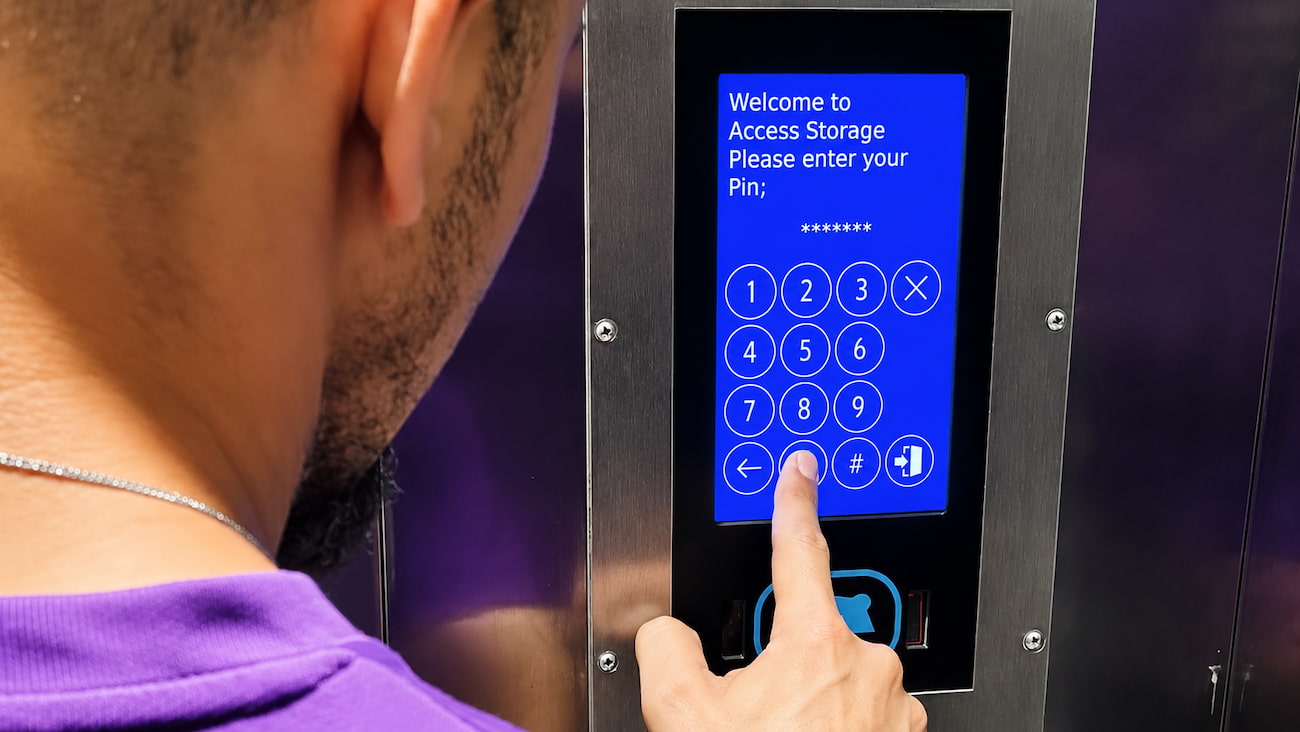
Secure business storage in London should give you confidence that your items are protected, recorded and properly covered. Before placing office furniture, files or equipment into storage, ask how the facility is managed, who can access it and what protection is included.
Check for:
- Monitored CCTV
- Alarm systems
- Fire protection
- Access control
- Clear unit access hours
- Suitable loading access
- Ramps, pallet trucks or handling equipment
- Inventory logging
- Seals for containers or crates
- Goods in Transit cover
- Storage insurance
- Declared valuation requirements
- Proof of ownership requirements
- Named parties on the insurance policy
Storage insurance is one of those office move planning details that can be easy to leave until later, but it is better to confirm it early in the process. Ask whether your items are covered during collection, transport, time in storage and redelivery.
Goods in Transit cover and storage insurance are not always the same thing. The wording matters, especially if you are storing valuable equipment, office furniture, IT kit or business records. A trusted mover should be able to explain what is covered and provide proof of this in writing.
Finest Tip:
- Always check where cover starts and ends as some policies cover items in transit, while others cover items only once they are inside the storage facility. It is better to confirm this before moving day rather than discovering a gap later.
IT & Sensitive Items: Special Handling
If you need to store office IT safely, treat electronics differently from general furniture. Computers, servers, UPS units, hard drives, screens and AV equipment all need extra care, especially when they are being packed, moved or held in storage.
Antistatic packaging is useful for certain electronic items. Fragile equipment should not be stacked beneath heavy furniture, and anything with sensitive components should be packed, labelled and transported carefully. For servers and UPS units, separate transit may be the safest option.
Climate can also matter when storing electronics during move planning. Damp, dusty or poorly ventilated spaces are not ideal for sensitive equipment, so it is worth checking the storage conditions before anything is placed there. If an item contains data, make sure the drives are protected with encryption and access is limited to authorised people only.
Live data media should not be stored unless it is encrypted, logged and approved by the right team or person in your business. A custody log can show who handled each item, when it moved and where it was kept, which is especially important for IT teams, finance departments, HR files and anything linked to confidential client information.
A little extra care when handling electronic and sensitive items can prevent some very expensive problems down the line.
Downsizing or Rightsizing? Use Storage as a Transition
Downsizing office storage can be a useful safety net when the new workplace is still taking shape. Maybe you are moving into a smaller office, adjusting to hybrid working, reducing desk numbers or creating more flexible meeting areas. In each case, it is not always clear what should return straight away and what can wait.
That is where temporary storage during downsizing can help. Rather than rushing every desk, chair and cabinet into the new space, you can keep non-essential items stored while the team settles in and the layout is tested properly. It also helps stop the new office from feeling overcrowded before anyone has had a chance to use it day to day.
Use a simple process:
- Audit: Carry out an asset audit and list what you have, what is still useful and what may no longer be needed.
- Photograph: Take photos of furniture and equipment so items are easy to identify later.
- Store: Move non-essential items into storage while the new layout is tested.
- Decide: Return what is needed, sell suitable items through resale, use donation routes where possible, or work with recycling partners for anything that has reached the end of its useful life.
This approach works well for: desks, task chairs, pedestals, meeting tables, spare monitors and cabinets. Some items may come back once the team settles in. Others may be better sold, donated or recycled.
The main benefit is flexibility. You do not have to make every decision before move day.
Using Storage to Minimise Downtime
One of the strongest reasons to use storage is to reduce downtime and office move disruption. When everything arrives at once, staff can lose time working around crates, furniture, installers and IT checks. By using storage to minimise disruption, you can give the move a cleaner flow and make each stage easier to manage.
Helpful tactics include:
- Pre-clear floors before the main move
- Keep non-critical kit off-site until the office is ready
- Deliver crates to desks with clear labels
- Make first-off crates the key IT and workstation items
- Keep last-on items as spare furniture, old stock or archive boxes
- Schedule staged returns during quiet hours
- Avoid deliveries during peak lift usage
- Use storage as a buffer for items that could block entrances, lifts or corridors
Having a clear lift schedule is particularly important in shared buildings. If deliveries clash with contractors, staff arrivals or other tenants, small delays can quickly build into bigger ones. Staged returns help keep the office clearer, safer and easier to reopen.
There is also a morale benefit. Staff arriving into a tidy, usable workspace are much more likely to settle in quickly, whereas walking into a sea of crates, spare furniture and half-finished setup areas is not the best first impression.
For more practical planning ideas, read our guide on how to minimise downtime during an office move.
How to Brief Your Mover About Storage
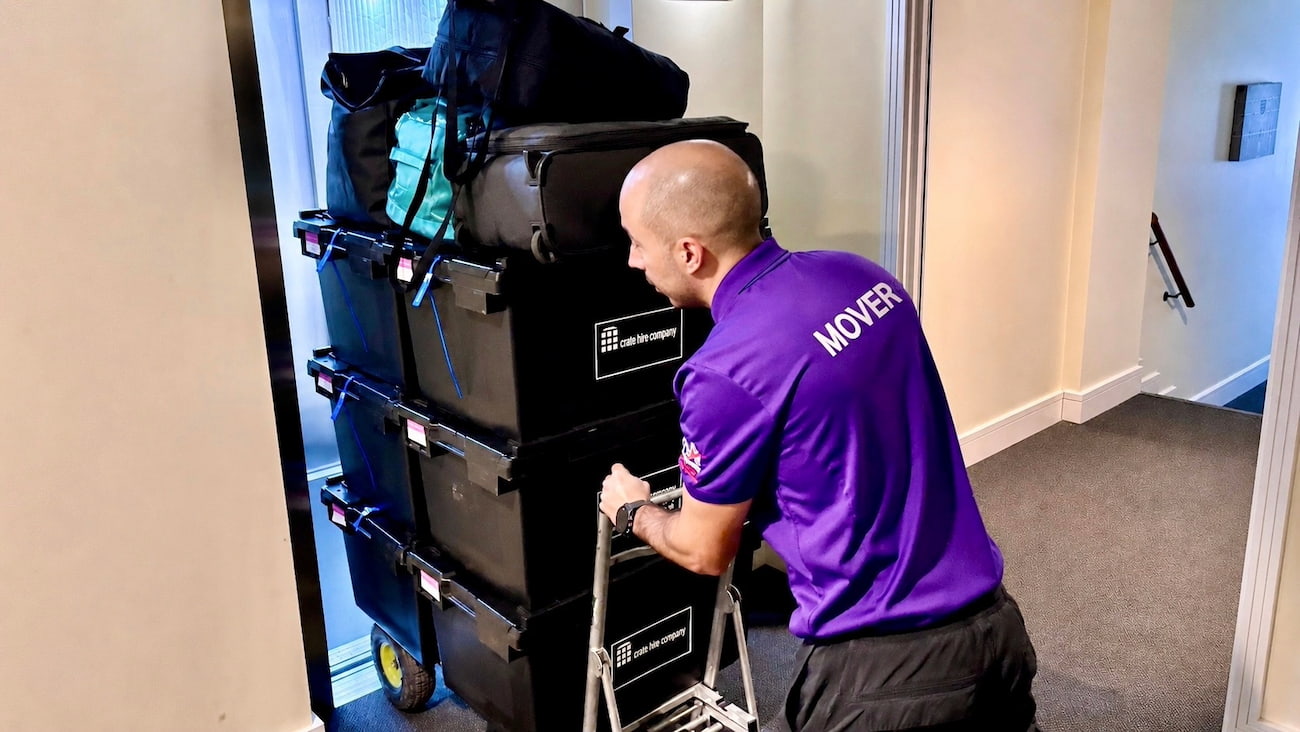
To get the best result, your mover needs a clear brief. A quick “take this to storage” instruction is rarely enough for a business move. The more detail you provide, the easier it is to protect your timeline, avoid mix-ups and plan the return of each item as you intend.
When you brief office movers for storage, ask for:
- A site survey
- A volume estimate
- Clear pick-up windows
- An agreed inventory format
- Inventory barcodes or numbered labels where useful
- A photo log of key items
- A red, amber and green priority system for returns
- A retrieval SLA
- Proof of insurance
- Details of the storage collection service
Priority codes can also make a big difference. Red items return first, amber items come back once the office is settled, and green items can stay in storage until a decision is made. This stops everything arriving back at once and gives your team better control.
A good mover should also help with access planning, parking, loading routes, crate numbers, lift bookings and fragile or sensitive items. The clearer the brief, the smoother the storage process will feel.
Next Steps
If you are planning a business move in London, temporary storage can be a smart way to take pressure off the main move. It gives you more room to work, more flexibility around timing and a clearer plan for reopening the office with less disruption.
Start by booking a site survey, confirming your volumes and locking in your storage dates. From there, create an inventory, agree a decant schedule and mark each item with a priority return status. Storage should sit inside your move Gantt, so everyone knows what leaves, what stays, what returns first and who signs it off.
For London SMEs, Finest Van can help with office relocation services and arranged storage solutions as part of a clear, practical move plan. Speak to our trusted London office movers to get a London business storage quote and plan the next stage of your office move with confidence.
Get a Business Storage Quote