


How to Wrap and Protect Furniture When Moving House
How do you protect furniture that will not fit into a moving box? Sofa arms, polished tabletops and exposed chair legs all face different risks as they pass through doorways, around landings and into the removal van.
This guide explains how to prepare and wrap furniture for moving, with practical advice drawn from Finest Van’s packing experience. It covers suitable protective materials, vulnerable areas to look for and the furniture that may be easier to move once dismantled.
 Last updated: 23 October 2026
 Read time: 11 min
Check Your Furniture Before Wrapping
Before reaching for a moving blanket or roll of wrap, look closely at the parts that will remain exposed during the move. Table corners, chair legs, handles and decorative trim can catch against door frames or neighbouring furniture. Upholstery and polished finishes need protection from dirt and rubbing as well as direct knocks.
Note any existing marks, loose joints or damaged fittings and take a few photographs before covering the item. Besides creating a record of its condition, this can reveal areas that need more careful padding.
Furniture also needs to fit along the full carrying route, not simply through the first doorway. Look at stair turns, landings, lift openings and narrow hallways before deciding whether an item can travel assembled. Wrapping adds some bulk, which matters when the available clearance is already tight.
Remove loose contents, shelves and cushions where appropriate. Legs, handles or other parts designed to come off may also make a piece easier to carry, but do not force apart glued joints or fittings that are not intended for repeated assembly. Place fixings in a labelled bag and keep them with the correct item.
Furniture preparation is only one part of getting the property ready. Our moving and packing tips cover the wider order of work, including decluttering, labelling and preparing safe carrying routes.
Choose the Right Furniture Protection Materials
More wrap does not always mean better protection. A table can be covered from top to bottom and still have a corner poking through, while a loose blanket may slide away from a chair leg as soon as the item is lifted.
The shape, finish and vulnerable parts of each piece should determine where padding is needed and how the protective layers are held in place.
Which Furniture Protection Materials Do You Need?
| Material | Useful For | What to Remember |
|---|---|---|
| Clean moving blankets | Padding furniture surfaces, corners and exposed parts | Check for grit and secure the blanket so it stays in place. |
| Bubble wrap or protective foam | Adding cushioning around vulnerable areas | Check suitability before placing it against a delicate finish. |
| Protective cardboard and corner protectors | Shielding exposed edges and corners, and separating furniture panels | Use alongside suitable padding where needed. |
| Shrink wrap | Holding protective layers together and guarding against light scratches | It does not replace cushioning. |
| Sofa and mattress covers | Helping to keep upholstery and mattresses clean | Covers may still need additional protection around vulnerable areas. |
| Paper tape | Securing suitable outer wrapping | Keep adhesive away from furniture finishes wherever possible. |
Keep adhesive on the protective wrapping rather than applying it directly to the furniture. At Finest Van, we use paper tape to secure bubble wrap and mattress covers, usually without applying it over shrink wrap.
You do not need to buy every material listed above to prepare a few pieces. Ask your removals team what protection they will bring before ordering anything. If you also need boxes and everyday packing supplies, Finest Van’s house moving kits and packing materials currently include medium and large moving boxes, wardrobe boxes, bubble wrap, packing paper, fragile tape and brown tape.
Furniture Protection Planner
Move between clearly labelled stages without displaying the entire form at once.
Furniture and quantities
Select everything that applies. You can change the quantity beside each item.
Details needing extra attention
These details help identify where preparation or additional protection may be needed.
Who will handle the wrapping?
This helps separate self-packing tasks from points to discuss with the removals team.
Your furniture protection plan
Use this as a practical checklist before moving day.
Select your furniture and wrapping arrangements to create your plan.
Prepare
- Check the carrying route and empty furniture where appropriate.
- Label removable parts and keep the correct fixings together.
Protect
- Use clean covers or blankets and pad exposed edges.
- Keep adhesive tape away from furniture surfaces.
Confirm
- Agree any wrapping, dismantling and reassembly arrangements.
- Mention delicate finishes, loose parts and difficult access.

How to Protect Sofas and Upholstered Chairs
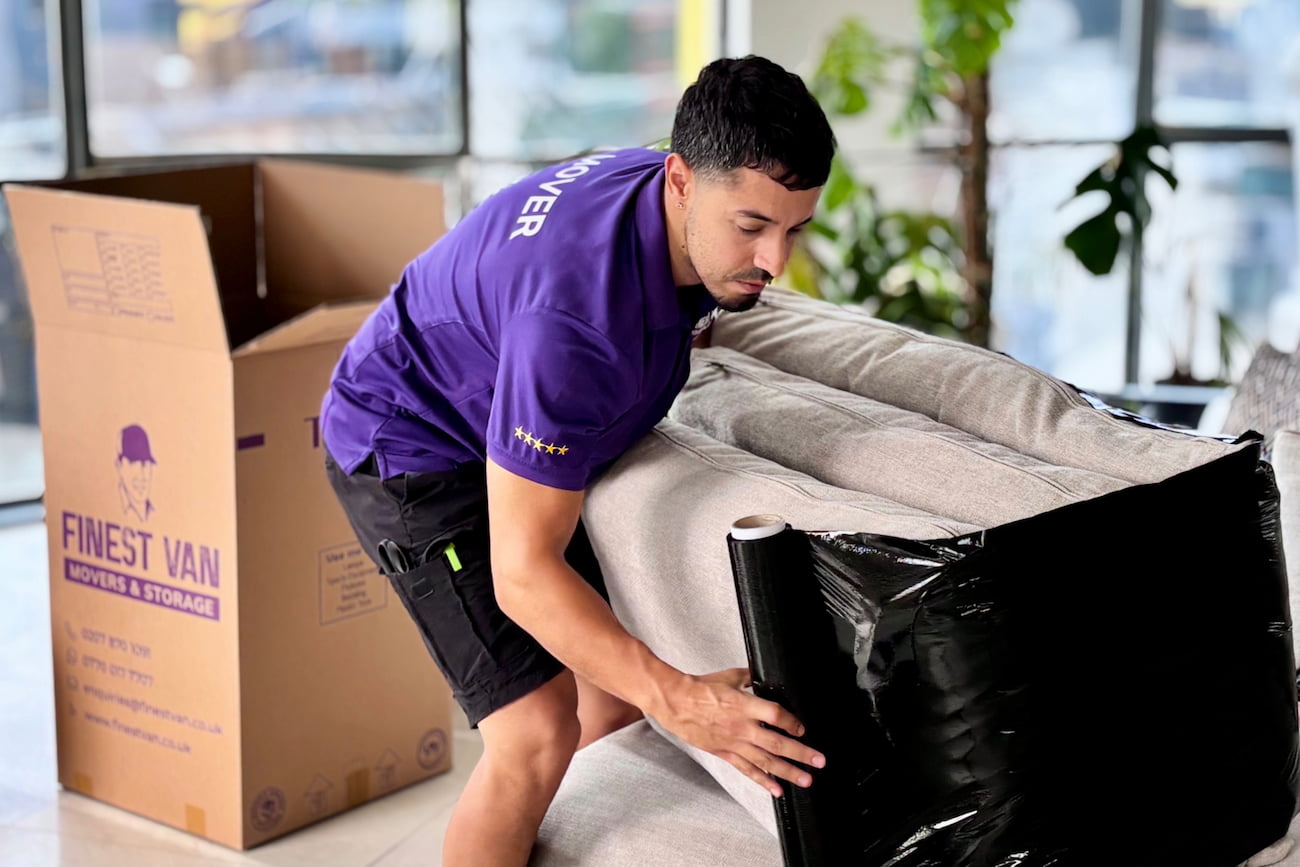
Sofa arms, backs and lower corners often come closest to door frames as the piece leaves the room. Protect those areas as carefully as the main seat and back. Loose cushions should be removed and kept protected together so that they do not slip out or become separated during the move.
Some sofas break down into smaller sections, while certain models have detachable feet, arms or backs. Establish what is designed to come apart before wrapping the whole piece. If the route is particularly tight, photographs, measurements or a short video can help the removals team plan the handling and any suitable dismantling in advance.
Sofa beds and recliners bring extra weight as well as internal mechanisms. Moving parts need to be secured appropriately for transport, following the furniture manufacturer’s guidance where available.
Clean moving blankets can provide a padded layer around upholstery. Pay particular attention to the arms and corners, then secure the outer protection without sticking tape to fabric or leather. The wrapping should stay in place without compressing the upholstery unnecessarily.
At Finest Van, we use sofa covers and protect loose cushions with shrink wrap or another suitable material, depending on what they are made from.
How to Protect Wooden Tables, Chairs and Drawers
The broad surface of a dining table attracts attention first, but damage is just as likely to begin at an edge, corner or protruding leg. Protective materials should be clean and suitable for the finish. Even a small amount of grit trapped beneath a blanket can rub against the surface while the table is being handled.
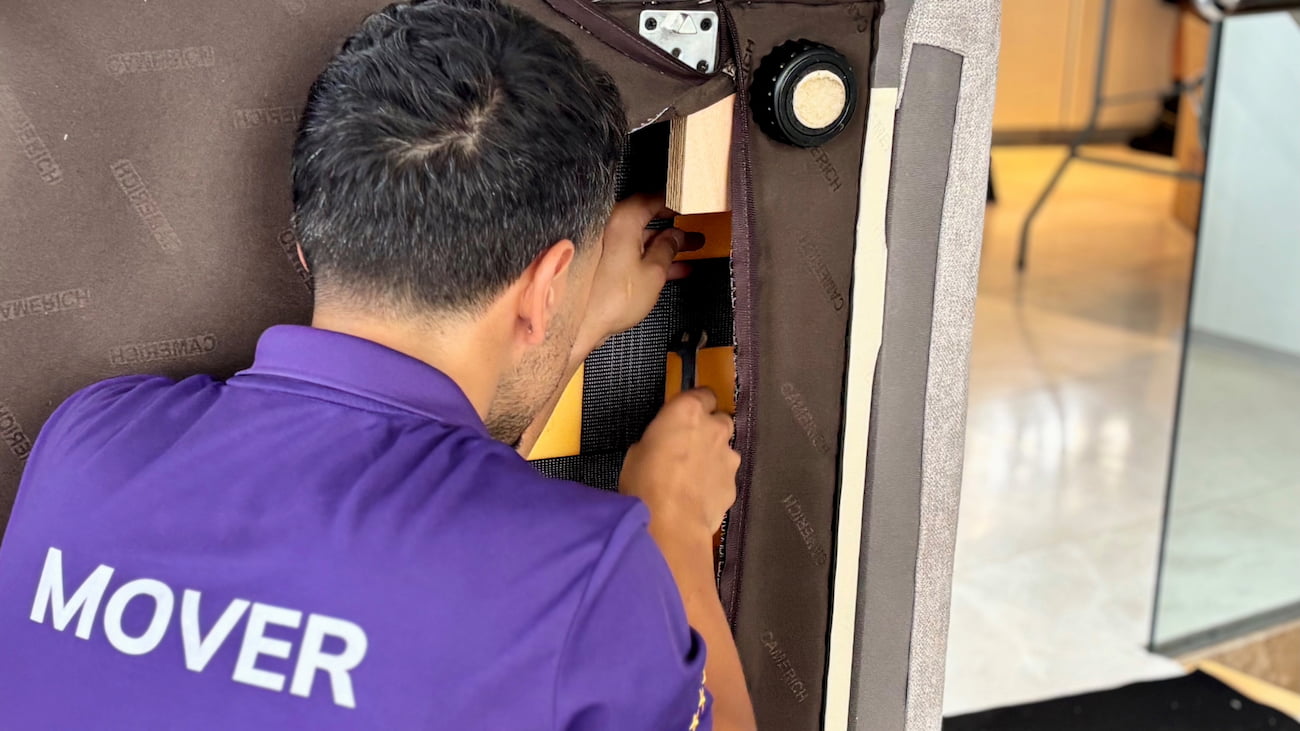
Where the design allows it, removing the legs can make a dining table easier to wrap and manoeuvre. Protect each leg separately, keep the fixings together in a labelled bag and pad the tabletop and its edges before securing the outer covering.
Chair backs and legs can protrude beyond an otherwise neatly wrapped seat. Cover each exposed section without forcing thick padding between delicate spindles or decorative details. Once the chair is wrapped, look at it from more than one angle. A corner hidden from above may still be exposed underneath.
Chests of drawers should be emptied before transport. Drawer removal depends on the furniture’s weight, size and how easily it can be handled. Some drawers can remain in place when properly secured, while removing them may make a heavier or more awkward piece safer to carry. Protect removed drawers separately and label their positions if they are not interchangeable.
Belongings taken from drawers, cabinets and shelving should be boxed before the furniture is wrapped. Our guide explains how to pack moving boxes securely, including balancing the weight, filling empty spaces and sealing the top.
How to Prepare Bed Frames and Protect Mattresses
Wrapping a bed frame too early can hide the fittings just when you need to reach them. Work out how the headboard, side rails and slats come apart before covering the individual components.
Long sections are generally easier to handle when wrapped separately. Add padding around exposed ends and fittings, and avoid bundling everything together so tightly that the pieces become awkward to lift.
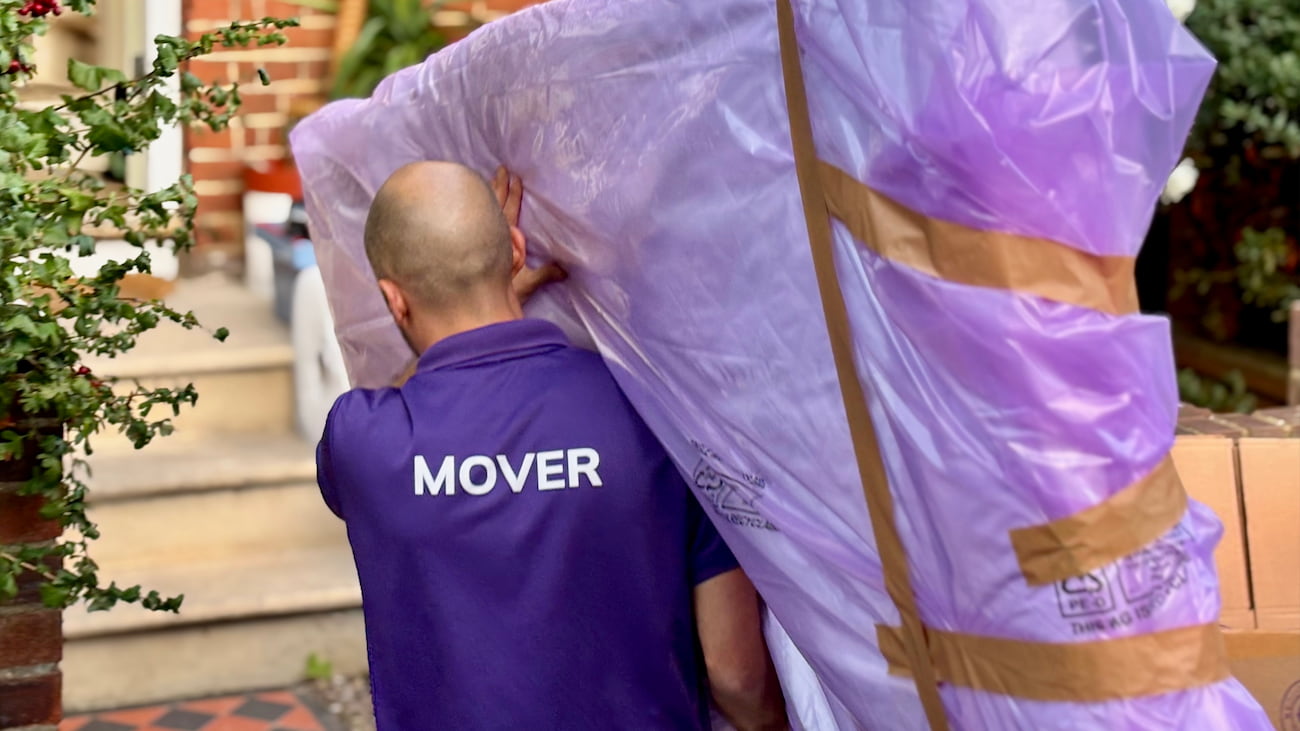
Mattresses need their own protection. Customers can purchase mattress covers from Finest Van when moving. A clean, dry fitted sheet placed over each side can provide a basic alternative against dirt, but it will not protect the mattress from rain, spills or heavier soiling.
Whether or not a customer purchases a cover, our team places a moving blanket beneath the mattress inside the van. This keeps it away from the van floor and helps prevent dirt from transferring onto the fabric.
How to Prepare and Protect Wardrobes
A wardrobe may appear manageable while it is standing in the bedroom, only to become awkward at the first turn on the landing. Its weight, construction and the route through the property all influence whether it can travel assembled.
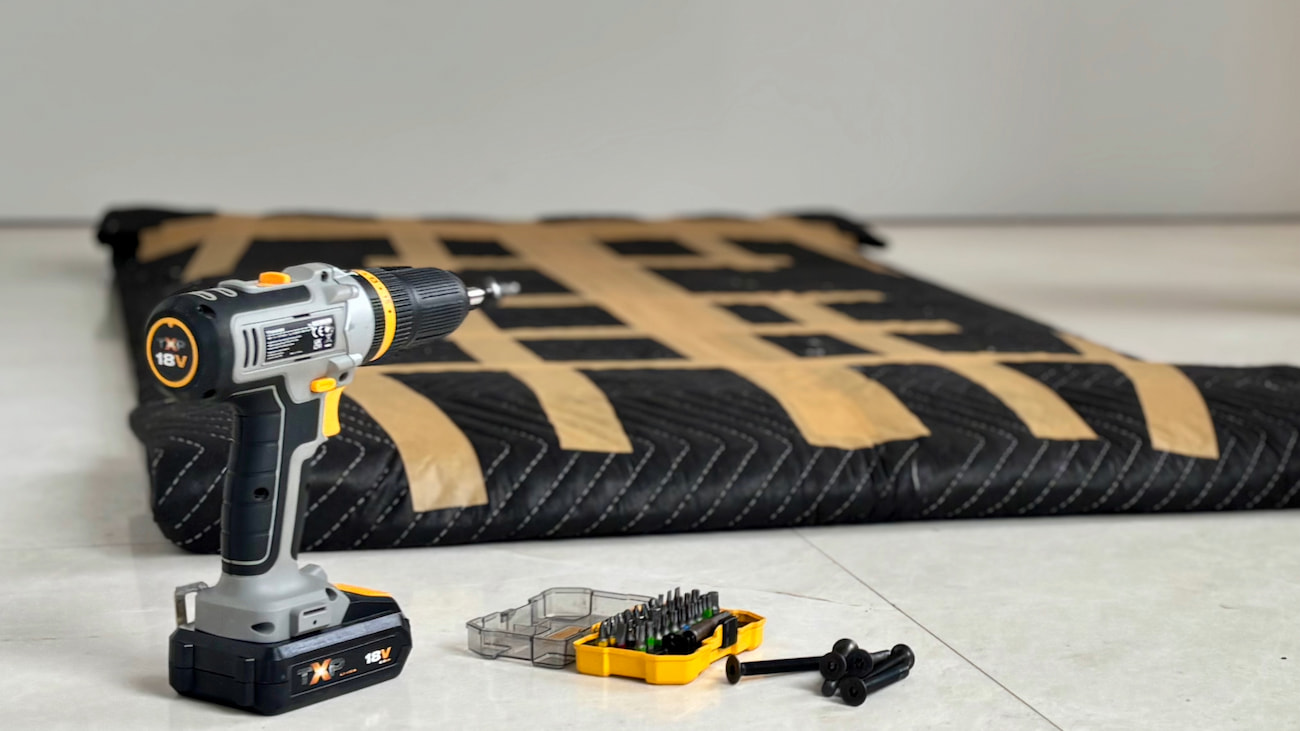
At Finest Van, larger wardrobes are generally dismantled. A single-door wardrobe may remain assembled when its weight, construction and the available access make that practical.
Empty the wardrobe before moving it. Fragile or loose doors and shelves may need to be removed, particularly if they could swing, slide or place strain on the structure while it is carried. Avoid forcing apart glued joints or fittings that were not designed for repeated assembly.
Mirrored doors need additional protection around the glass and edges. Where the design allows safe removal, they may be better handled separately. Wrapping does not turn the mirror into a lifting point, so the door should never be gripped or carried by the glass.
Protect dismantled panels individually, concentrating on their edges and corners. Hinges, handles and other fittings should not be left pressing against neighbouring panels. Label the position of each panel and keep its fixings clearly identified to make reassembly less confusing.
Common Furniture Wrapping Mistakes
A final look from several angles can reveal a slipping blanket or exposed corner that was not obvious while the furniture was being wrapped.
-
Wrapping Without Padding
Shrink wrap can hold protective layers together, but it does not cushion exposed edges by itself.
-
Leaving Gaps
Chair legs, sofa arms and table corners can remain vulnerable even when the main surface is covered.
-
Using Dirty Materials
Grit trapped against upholstery or a furniture finish can cause marks as the item is handled.
-
Leaving Parts Unsecured
Drawers, shelves, doors and loose fittings may shift or slide while the furniture is being carried.
-
Wrapping Before Planning Access
Protection may need to be removed again if the furniture cannot follow the intended route or requires dismantling.
Unwrapping Furniture at Your New Home
Once an item is safely positioned, locate the tape joins before opening the wrapping. A concealed furniture surface can be surprisingly close to the outer layer, so avoid running scissors or a box cutter along the item. Peel back tape wherever possible. If a blade is needed, cut away from the furniture and keep the material lifted clear of the surface underneath.
Remove each layer gradually and check for loose components before moving the furniture into its final position. Set reusable blankets, covers and protective equipment aside as you work so that they are not mixed with rubbish or left beneath your feet.
Furniture Wrapping and Protection With Finest Van
The largest item in a room is not always the one that needs the most preparation. A delicate tabletop or mirrored wardrobe door may demand more careful protection than its size suggests, while a sofa bed brings the added consideration of its weight and mechanism.
Finest Van can provide furniture wrapping through our professional packing service. Suitable dismantling and reassembly can also be arranged beforehand. Let us know which pieces need attention, which belongings you are preparing yourself and whether there are narrow doorways, stairs or lift restrictions at either property.
Photographs and accurate dimensions are particularly helpful for wardrobes, bed frames, large tables and other pieces that may need dismantling. You can prepare some items yourself and leave others to our removal specialists. Agreeing this in advance makes it clear what should be ready when the team arrives and what materials need to be brought.
Leave the Packing to Us
Furniture Wrapping FAQs
1. Can I Use Household Blankets to Protect Furniture?
Clean, dry household blankets can provide a basic covering for some everyday furniture. Check for rough seams, zips or embellishments that could press against the surface. Thin bedding offers less padding than a moving blanket and may not provide enough protection on its own.
2. Should Furniture Be Wrapped Before or After Dismantling?
Decide what needs dismantling first, then protect the separate components. Wrapping an entire item beforehand can conceal the fittings and leave you removing materials to reach them. If your removals team is carrying out the work, agree what you should prepare before they arrive.
3. Should Furniture Be Cleaned Before It Is Wrapped?
Yes. Remove dust, crumbs and any small items or loose debris trapped in the furniture, then make sure it is dry before applying covers or blankets. Small particles trapped beneath the protection can rub against hard finishes during handling, while any recently cleaned surfaces or upholstery should be allowed to dry fully before they are covered. Cleaning furniture beforehand also reduces the chance of carrying dust and dirt into your new property, particularly onto newly fitted carpets.
4. Can I Leave the Wrapping on Furniture After the Move?
Transport wrapping should normally be removed once the furniture is safely positioned. This allows you to check the item and locate any loose parts needed for reassembly. If the furniture is entering storage, ask what protection is suitable for its materials and the storage conditions rather than assuming its moving wrap should remain in place.
