

Top 10 Packing Tips That Make Moving Easier
 Last updated: 14 August 2026
 Read time: 15 min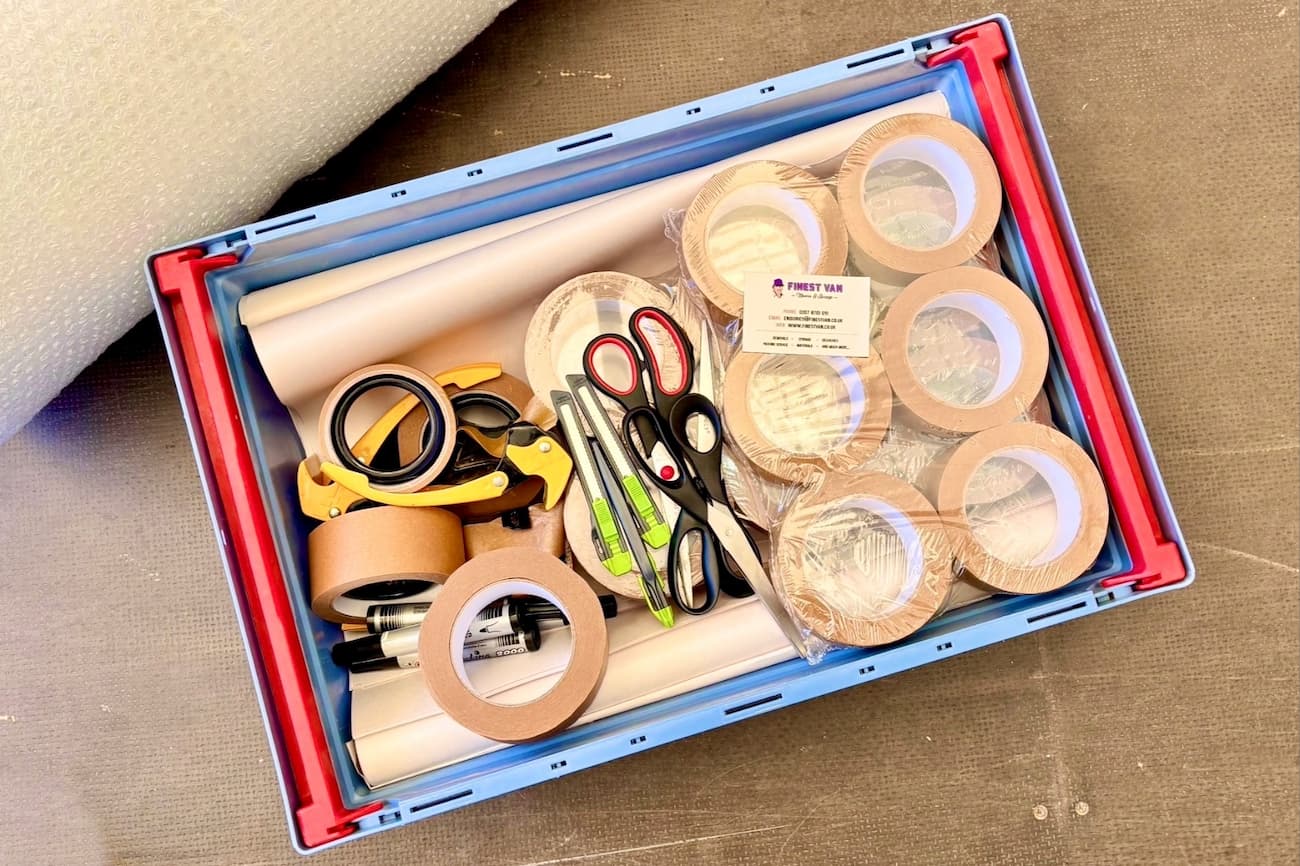
The 10 Winning Moving & Packing Tips (Quick Overview)
Before you start filling boxes, it helps to know which packing habits will make the biggest difference. These moving packing tips cover the main areas that affect time, protection and moving day prep.
- Declutter first: Fewer items mean fewer boxes, less lifting and a quicker move.
- Choose the right materials: Strong boxes and proper protection help reduce damage.
- Match box size to weight: Heavy items belong in smaller boxes so they can be lifted safely.
- Label clearly: A simple box labelling system saves time when unloading and unpacking.
- Pack room by room: Finishing one space at a time keeps packing faster and more organised.
- Pack the kitchen carefully: Plates, glasses, knives and liquids need extra attention.
- Protect artwork, mirrors and TVs: Fragile flat items need more than a quick wrap.
- Keep cables and electronics organised: Labelling leads now avoids confusion later.
- Create open-first boxes: First night essentials should be easy to find as soon as you arrive.
- Protect floors and routes: Safe moving routes reduce damage, slips and delays.
Next, we’ll go through each tip in more detail, with practical packing hacks you can use before moving day.
1. Declutter First to Shrink the Load
Before you start packing, quickly review each room and sort items into four groups: keep, sell, donate and recycle. This is one of the simplest ways to reduce moving costs because fewer items means fewer boxes, less cubic volume in the van and less time spent loading and unloading.
Start with bulky items that take up valuable space, especially if you rarely use them or already know they will not suit the new home. This could include old bedding, duplicate pans, broken tech, unused small appliances and furniture that will not suit your new place. For items that still have value, resale apps and marketplaces such as eBay, Vinted or Facebook Marketplace can be useful, while donation pickup or local charity shops, such as the British Heart Foundation, can clear usable pieces without adding another job to moving week.
2. Choose the Right Materials: Protect, Don’t Just Wrap
The right packing materials can make a real difference, especially for heavy, fragile or awkward items. Use double-wall boxes for heavier items, wardrobe cartons for hanging clothes, and smaller sturdy boxes for books, tools and kitchen items.
For fragile pieces, it helps to build up protection in layers. Bubble wrap, paper and void fill can stop items shifting inside the box, while glassine or acid-free tissue is better for artwork and delicate surfaces. Shrink wrap can help keep drawers or soft items contained, but avoid wrapping it directly around polished wood or painted finishes.
Painter’s tape is also useful for temporary labels or light securing because it is easier to remove than duct tape. Ultimately, the aim is simple: protect your items adequately before they reach the van.
3. Match Box Size to Weight
When packing boxes, it’s important to remember that a full box should still be manageable to lift, not just neatly packed or crammed.
| Box Size | Best For |
|---|---|
| Small boxes | Books, tools, tinned food and other dense items. |
| Medium boxes | Kitchenware and mixed household items. |
| Larger boxes | Bedding, towels and lightweight clothes. |
As a guide, keep each box to around 20kg or less where possible. This keeps boxes manageable for the removals team and reduces the chance of them splitting, being dropped or slowing down the loading process.
When packing boxes, place heavier items at the bottom and lighter items on top. Good weight distribution also helps stop lighter or fragile items being crushed inside the box.
4. Label Like a Pro: Save Time at the New Home
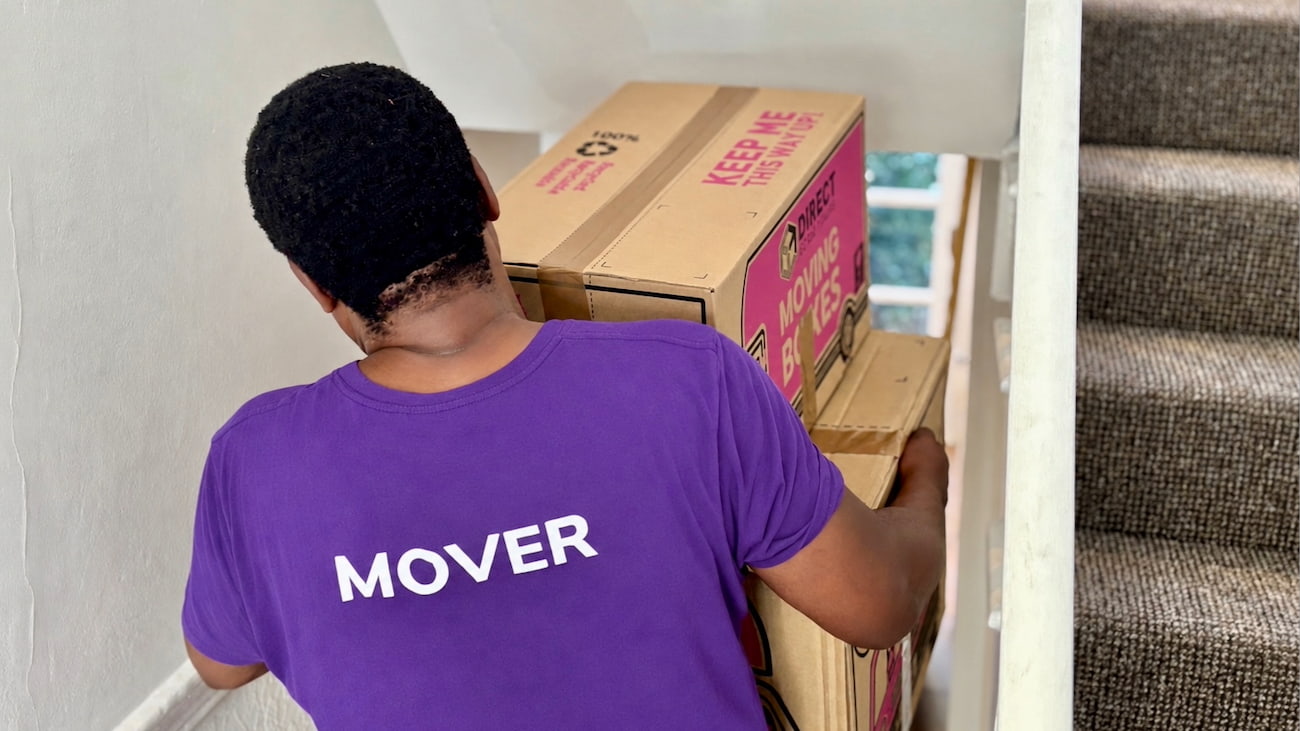
A clear box labelling system will help save time when unloading and directing items to the right rooms at the new property. Write the room, contents and priority level on at least two sides of each box, so labels can still be seen when boxes are stacked.
Colour-coding can also be useful, especially if you have several rooms or multiple floors. For instance, you could assign one colour per room and match it to a simple note on your phone. For a more detailed moving inventory, number each box and keep a short list of what is inside. Priority boxes should be easy to spot, so essentials do not disappear into the pile.
5. Room-by-Room Staging Speeds Loading
Packing room by room keeps the job organised and makes it easier to see what is still left to do. Finish one space fully before moving to the next, then stage sealed boxes near the door without blocking walkways, stairs or access points.
This can help make moving day faster, as the removals team can load in a clearer order instead of working around half-packed rooms. If beds, shelving or desks need to be dismantled, try to do this the day before. Put screws, bolts and fixings into labelled hardware bags, then attach them to the matching furniture or keep them in a clearly marked parts box so reassembly is easier at the new home.
💡 Finest Tip:
If you would prefer your removals specialists to dismantle beds, shelving or larger furniture, clear the area around each item before they arrive. This gives them space to work safely and efficiently, which can help keep the move running to schedule.
6. Smart Kitchen Packing: Plates Vertical, Glasses “T-Shirt” Wrapped
The kitchen often takes longer than expected, so allow enough time rather than leaving it until the last minute. When you pack the kitchen for moving, place plates on their edge with dividers or padding between them, as this reduces pressure compared with stacking them flat.
Wrap glasses individually, using packing paper, bubble wrap, clean clothing or tea towels for extra cushioning. For knives, use blade guards where possible, or wrap them securely and label them clearly. For liquids, tighten the lids, place bottles in sealed bags and keep them upright where possible. Any box with glassware, crockery or small appliances should be clearly marked FRAGILE so your removal specialists know to handle it carefully.
7. Protect Artwork, Mirrors & TVs the Right Way
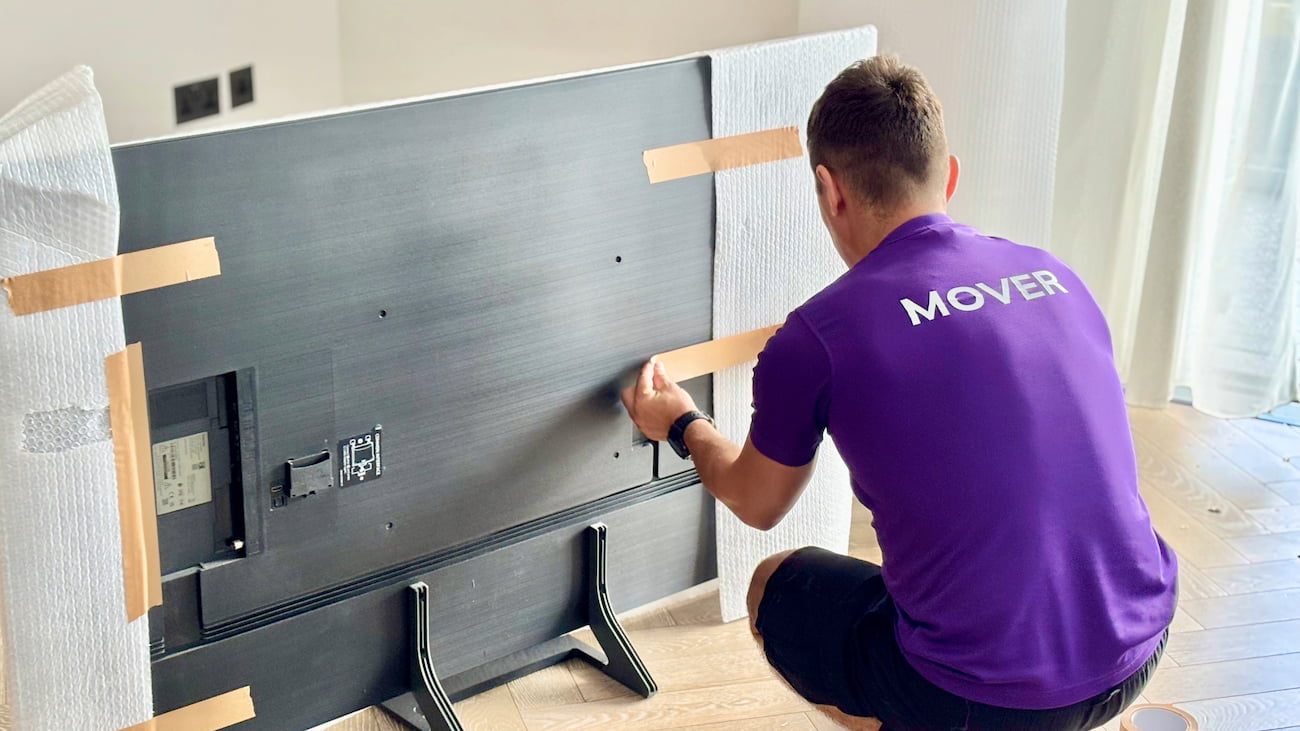
Artwork, mirrors and TVs are easy to underestimate because they look flat, but they still need proper protection. When you pack artwork, start with glassine or acid-free tissue over delicate surfaces, then add corner protectors and a firm cardboard layer on each side to help reduce pressure on the frame.
For mirrors or framed glass, low-tack tape across the glass can add an extra layer of protection before wrapping. Where possible, keep the item upright in a picture carton rather than laying it flat. If you still have the original TV box, that is usually the safest option for moving it. If not, you can use foam protection, a strong TV box and keep the screen upright throughout the move.
8. Cables & Electronics: No Tangles, No Data Loss
Electronics are much easier to reconnect when the cables, chargers and small accessories are packed with a simple system. Before unplugging TVs, monitors, speakers or desktop computers, take a quick photo of the back of each device. It gives you a useful cable map when everything needs reconnecting at the new home.
Small accessories are easy to lose, so keep leads, remotes and chargers together in a labelled bag for each device. As you pack electronics for moving, label cables clearly and use anti-static wrap for delicate equipment where needed. It is also sensible to back up laptops, phones and tablets before moving day. Keep your router cables, chargers and everyday tech in an open-first tech pouch, so you are not searching through boxes when you need Wi-Fi or a phone charger.
9. Create an “Open-First” Box for Each Person/Room
An open-first box makes the first evening much easier, especially when most of your belongings are still stacked in boxes. Think of it as a small essentials kit for the first night or two, not a general storage box.
💡 Finest Tip:
Keep open-first boxes slightly separate from the main packing and let your removals team know you would like them loaded last. This makes them easier to find as soon as you arrive at the new home.
10. Protect Floors & Routes Before Lifting
Floors, stairs and doorways can take a lot of wear during a move, especially when heavy furniture is being carried through the same route all day. Before heavy lifting starts, think about the route items will take from each room to the van. Entrances, hallways, stairs and landings usually see the most foot traffic during a move, so they are often the areas most worth protecting.
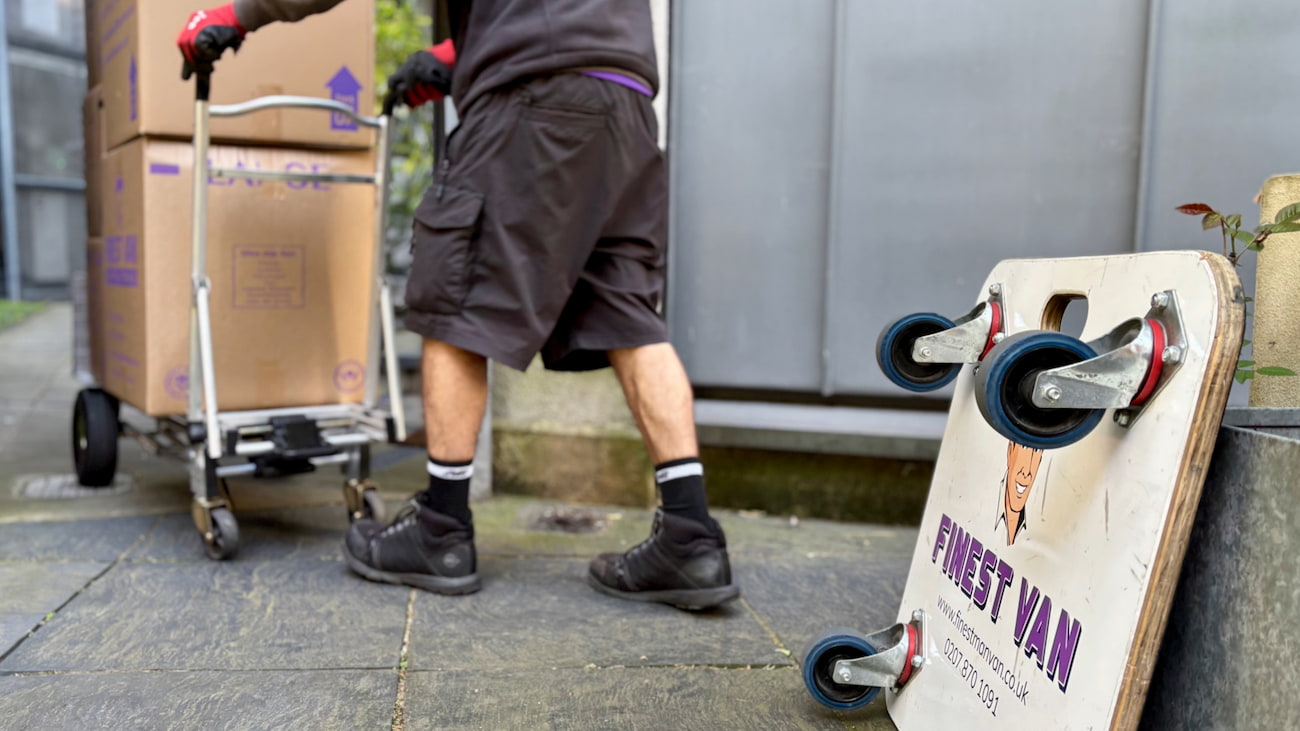
If you want to protect your floors during a move, non-slip runners or floor protection boards can help at entrances and along the main load path. Felt sliders are useful for carefully moving furniture across hard floors, while rubber-tyred dollies are generally safer than hard plastic wheels on timber, tile or stone.
It is also worth reading our guide on how to protect your floors when moving house before moving day, especially if your property has carpeted stairs, polished flooring or narrow access routes.
When Pros Save Time and Help Prevent Damage
Professional support can be a sensible choice when a move involves tight stairwells, multiple floors, heavy furniture, fragile items or very little parking flexibility. A trained team can usually work through those access issues more efficiently, especially when packing, carrying and loading need to happen in a tight time slot.
If you are comparing professional packing services in London, it can be especially useful for awkward, delicate or difficult-to-box items, such as mirrors, artwork, TVs, glassware and larger furniture. The right team should also bring suitable packing materials, protective coverings and a clear plan for timed access, especially when parking or building rules are tight.
If you are moving locally and want a team familiar with busy London streets, parking and access planning, you can find more details on our reliable Hackney removals page before moving day.
FAQs: Packing Tips for Moving House
1. How far in advance should I start packing before moving house?
For most homes, starting around two to four weeks before moving day works well, although smaller moves may need less time. Begin with items you rarely use, then leave everyday essentials, toiletries, chargers and open-first items until closer to the move.
2. What should I pack first when moving?
It is usually best to start with non-essential items, such as spare bedding, books, decorations, seasonal clothing, rarely used kitchenware and anything stored away in cupboards or loft spaces. Daily-use items can then stay out until the final stages.
3. Should I empty drawers before moving furniture?
In most cases, yes. Emptying drawers makes furniture lighter, safer to carry and less likely to be damaged. Very light items may sometimes stay in removable drawers, but heavy, fragile or valuable belongings are better packed separately. Check with your removals team if you are unsure.
4. What should I avoid packing in the removals van?
Keep passports, medication, jewellery, important documents, chargers, keys and valuables with you. Refrigerated or frozen food should also be planned carefully, as removal vans are not temperature-controlled. Perishable items are usually better transported separately. If they are moved in the van at your request, they travel at your own risk and may not remain safe to consume, especially during warm weather.

